Learning Guides
Evidence-based study strategies from Masterful Learning. Organized from broad strategies to domain/subdomain guidance.
60 guides across 3 levels
General Strategies
Universal learning techniques that apply across all subjects.
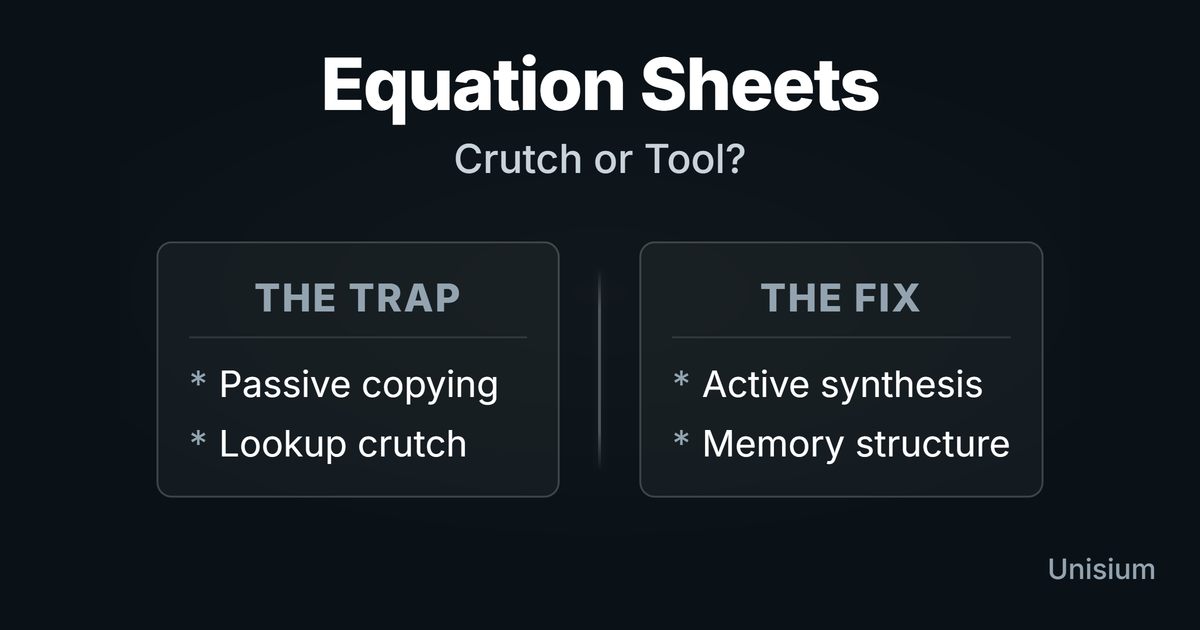
Are equation sheets effective for math & physics? Sometimes
Equation sheets can build structure or become a lookup crutch. Learn a memory-first method that forces conditions, links principles, and speeds exam work.
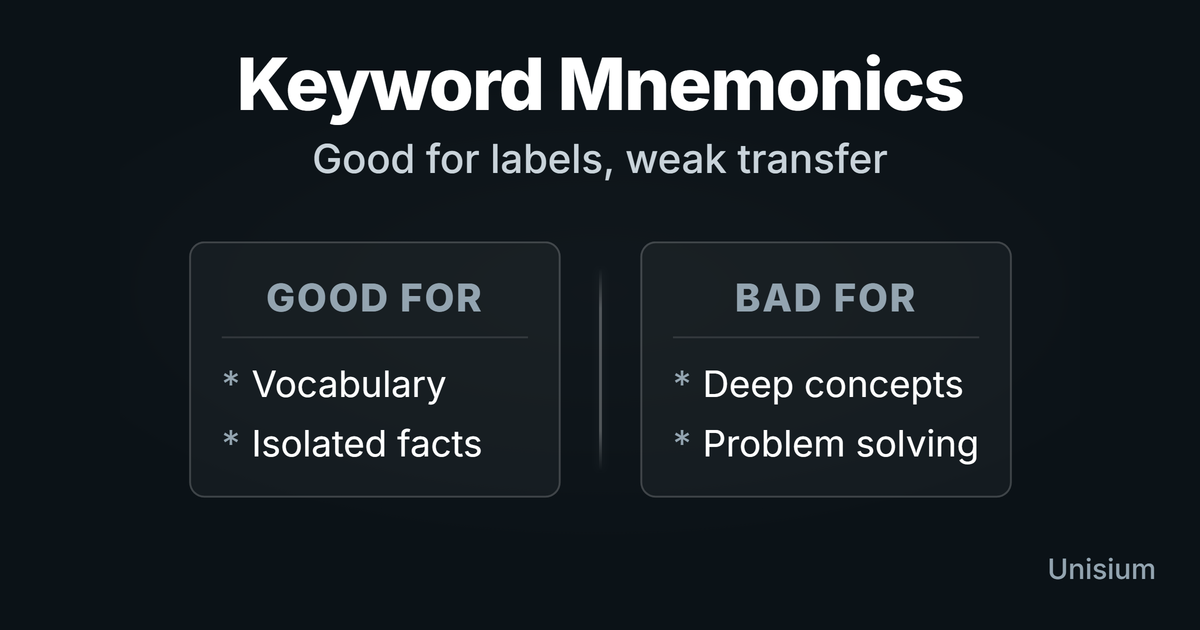
Are keyword mnemonics effective for math & physics? Rarely
Keyword mnemonics tie new terms to familiar sounds and images. Good for labels, weak for problem solving in math and physics. Use deeper methods instead.
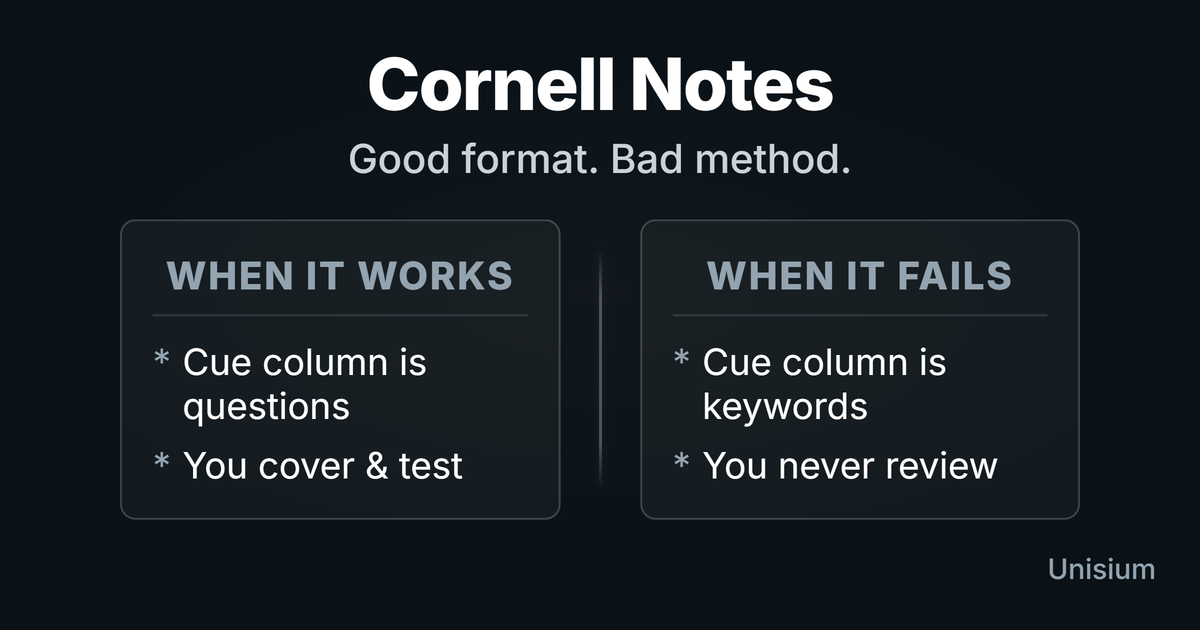
Cornell Notes: Better Than Transcription, But Not Enough
Are Cornell Notes effective? Better than standard notes, but still passive unless you use the cue column for retrieval and the summary for elaboration.

Deliberate Practice in Math and Physics: Why One Real Study Hour Matters
Deliberate practice in math and physics beats passive study because one real study hour can improve recall, problem setup, and long-run academic and career upside.
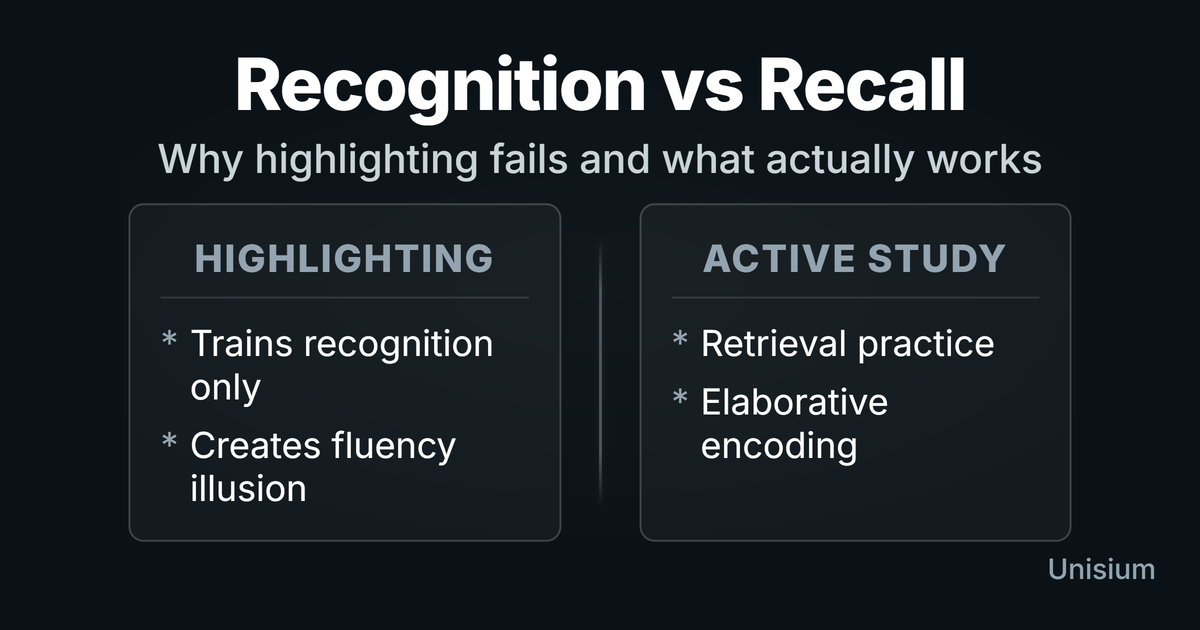
Does Highlighting Help You Study Math and Physics? Usually Not
Highlighting can mark principles to revisit, but it delays the work math and physics require: explaining ideas, checking conditions, and using them.
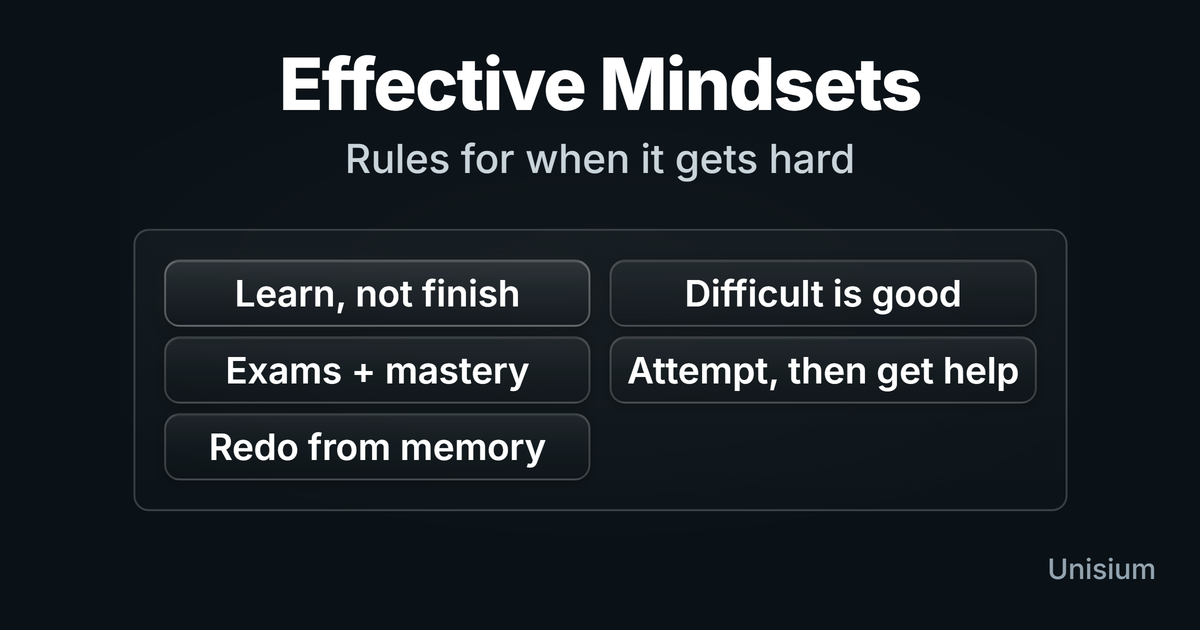
Effective Study Mindsets for Math and Physics Mastery
Effective mindsets for math and physics: study with purpose, treat difficulty as good, balance exams with mastery, and help others who want help so skill compounds.
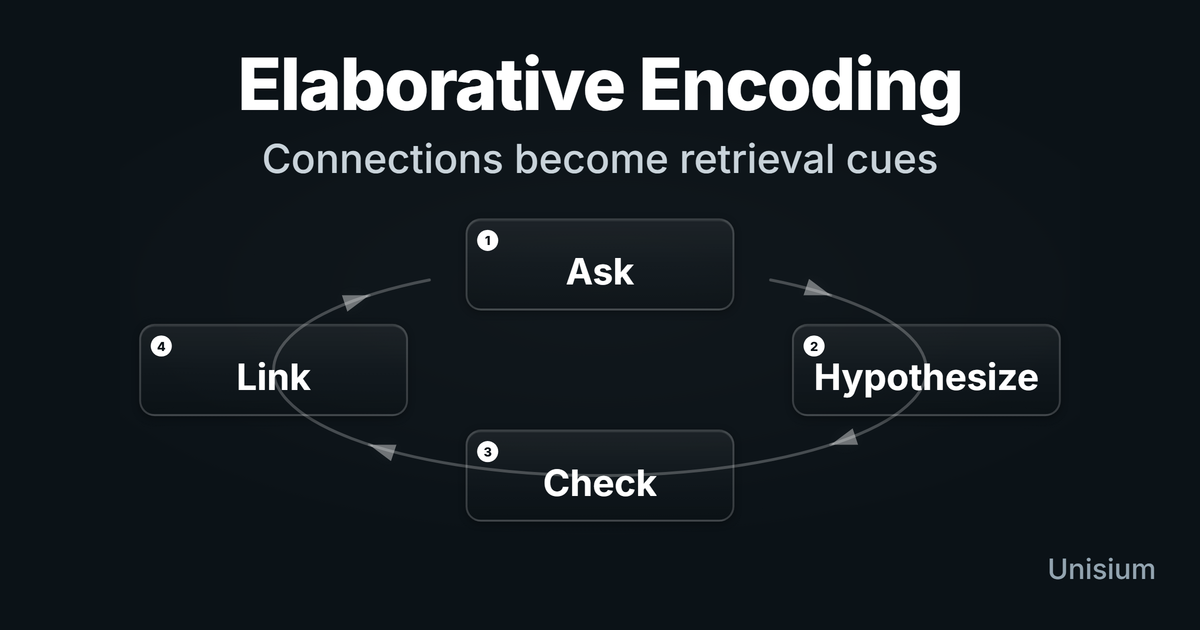
Elaborative Encoding: Learn Faster with Better Connections
Elaborative encoding turns raw input into usable knowledge by linking new ideas to meaning, conditions, contrasts, and examples. It is especially useful in math and physics when concepts feel familiar but cannot be explained or applied.
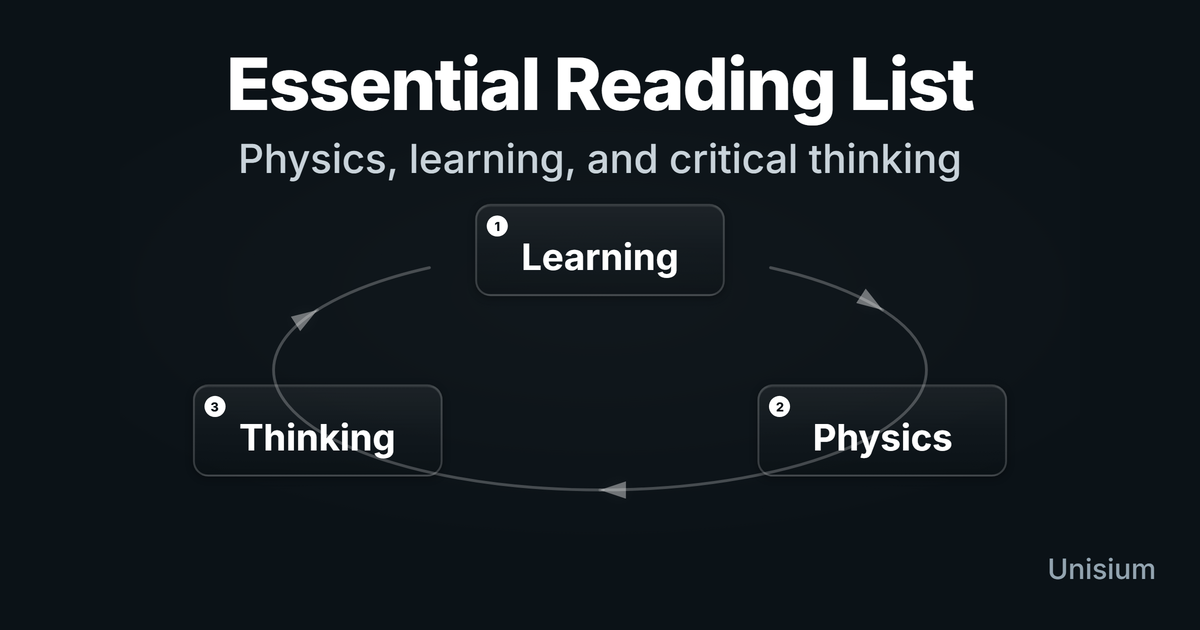
Essential Reading List for Physics Students and Lifelong Learners
A curated collection of books spanning physics, learning science, and critical thinking - from foundational texts to cutting-edge research.
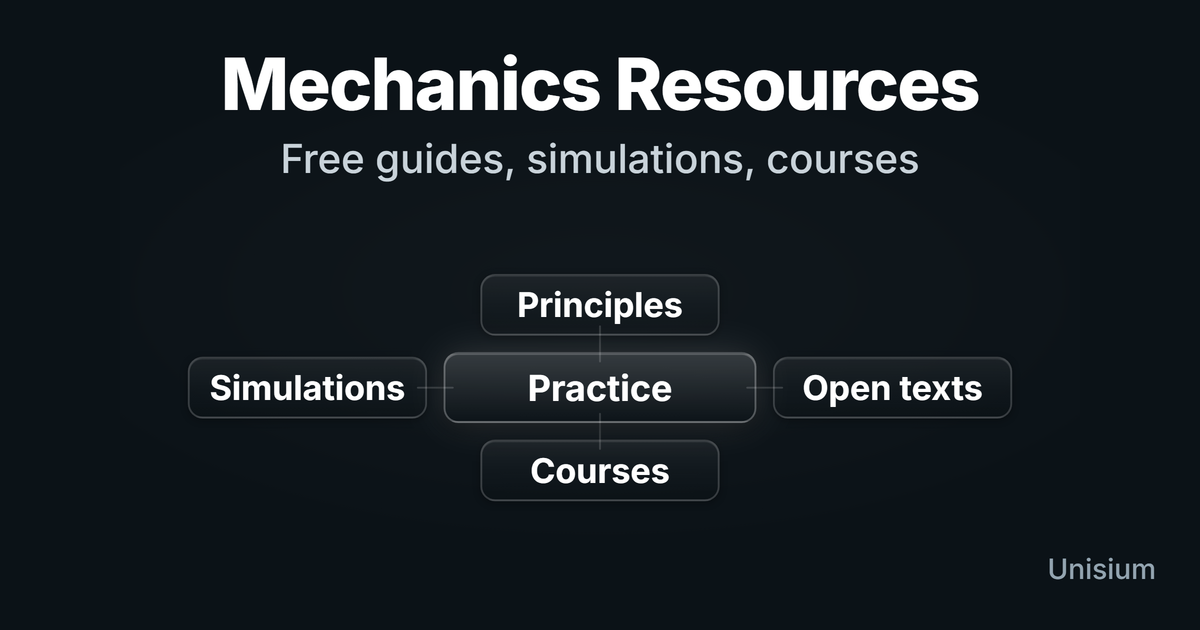
Free Classical Mechanics Resources for Students and Instructors
Free classical mechanics resources for students and instructors: problem sets, exam archives, principle maps, simulations, labs, and teaching tools.

How to Interleave Your Studying for Better Recall, Transfer, and Test Scores
Interleaving beats blocking. Learn what interleaving is, why it works, and exactly how to mix topics and problem types to maximize long-term learning.
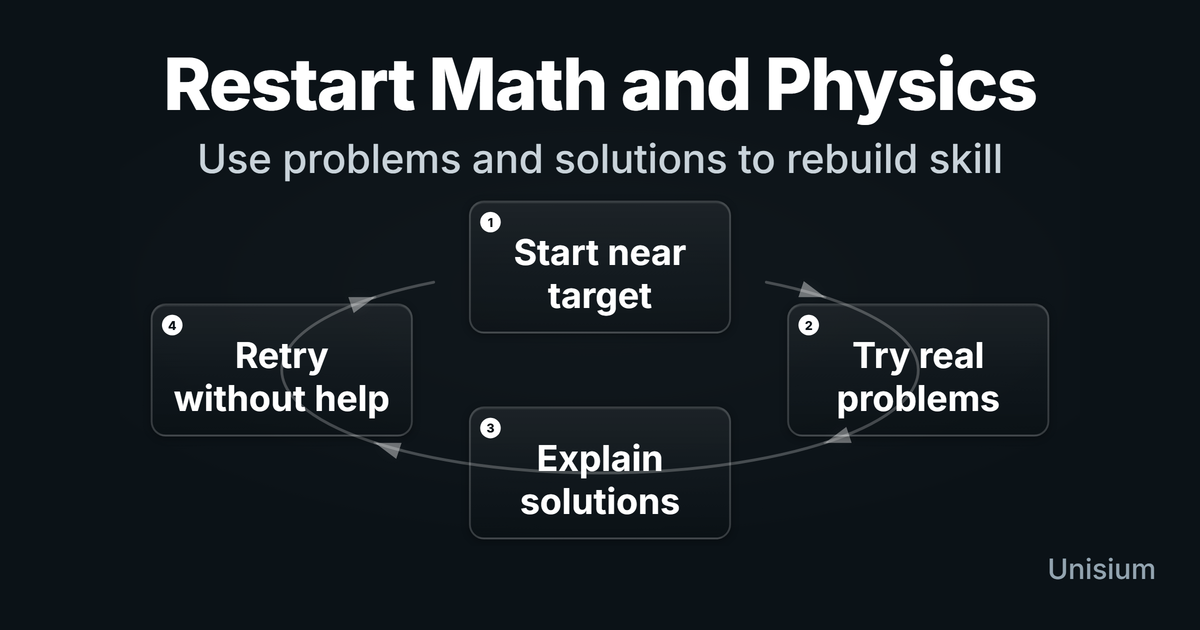
How to Restart Math and Physics After Years Away
Restart math and physics after years away without starting from zero. Use real problems and worked solutions to rebuild skill.
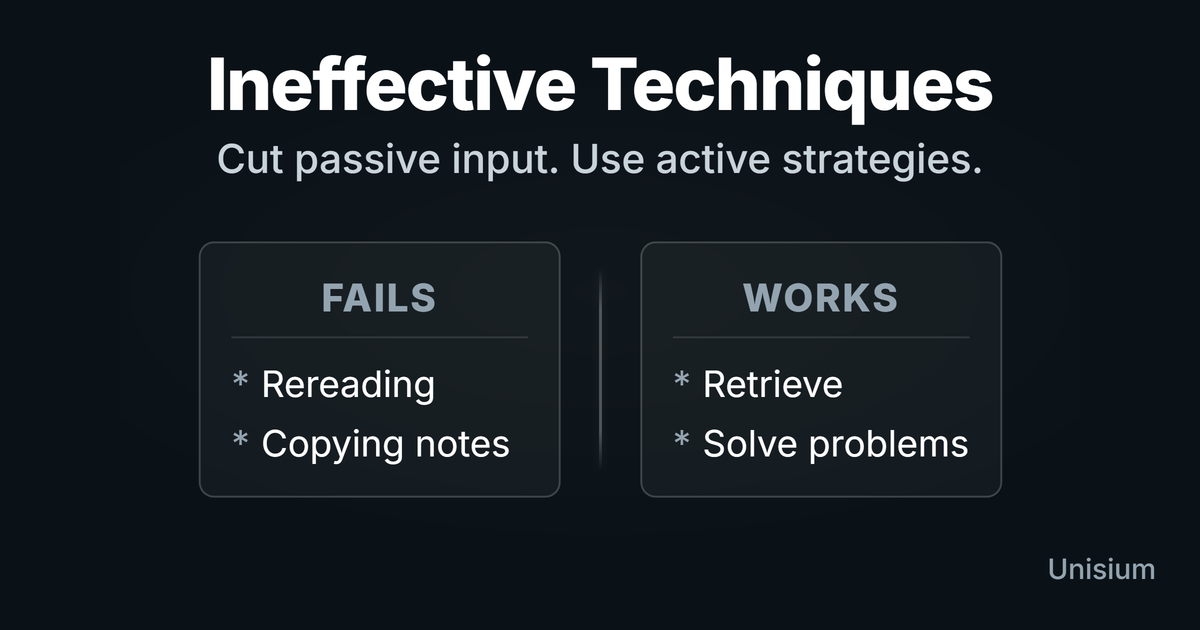
Ineffective Study Techniques for Math & Physics
Most popular techniques fail in math and physics: rereading, highlighting, neat notes. Replace them with elaboration, retrieval, self-explanation, and problems.

Is Blurting Effective for Learning Math & Physics? Rarely
Blurting (brain dumping) is a popular retrieval tactic, but for math and physics it rarely builds problem-solving skill. Learn what it is, how it works, and when to skip it.
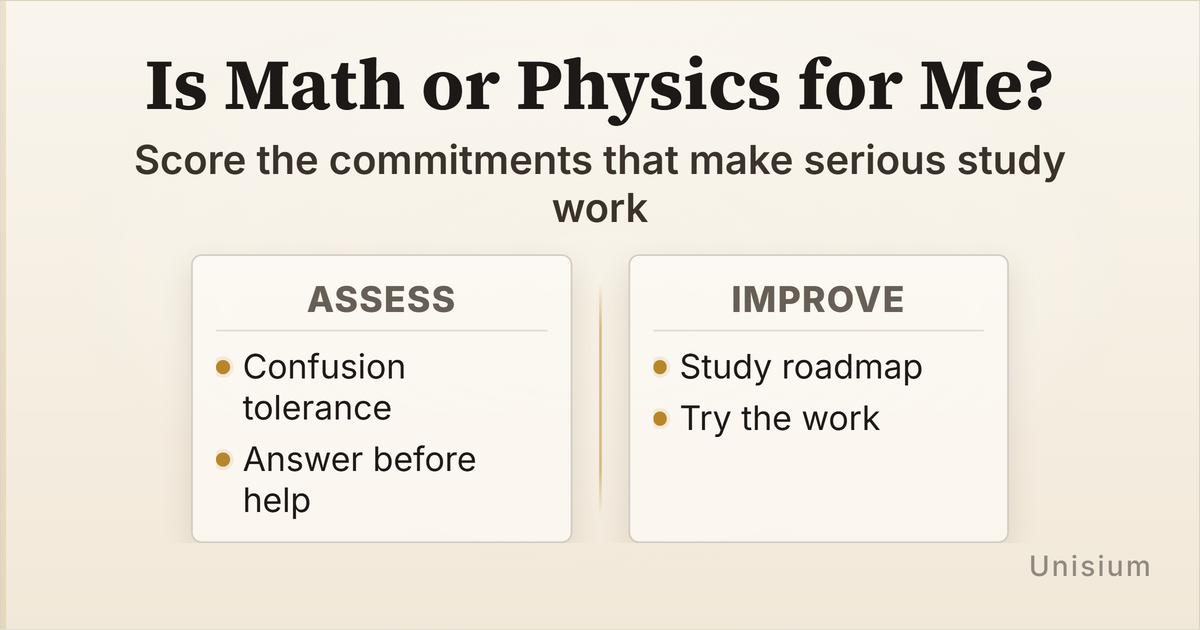
Is Math or Physics for Me? Try the Work Before You Decide
Considering a math or physics degree, course, or major? Take a 5–10 minute study-fit assessment, then try the work before you decide.
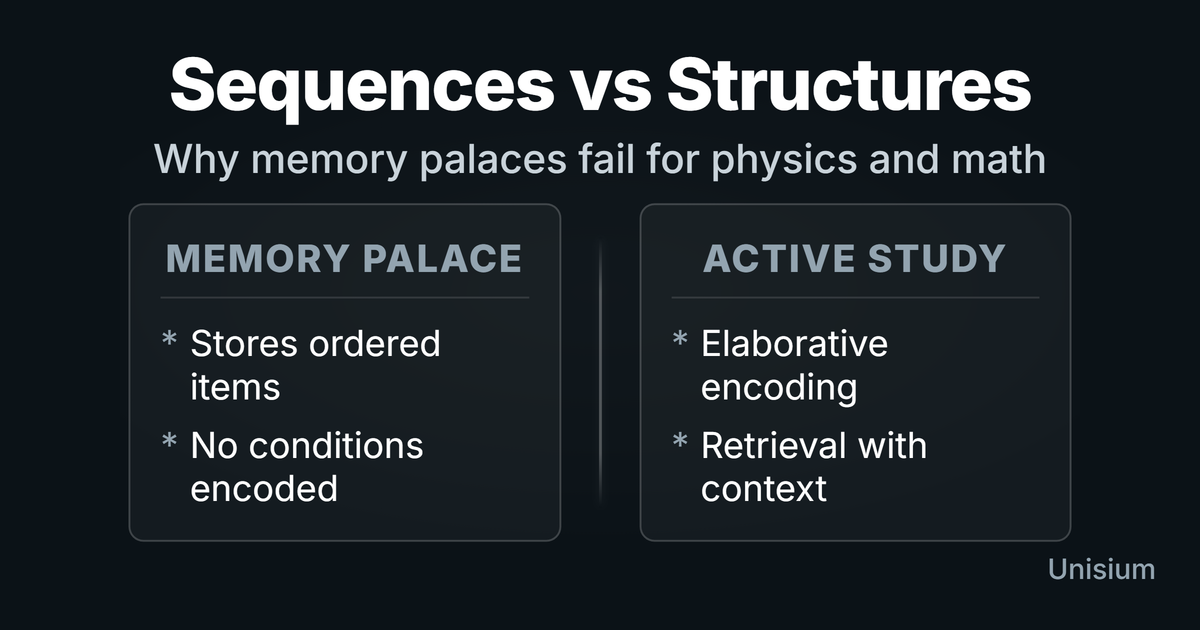
Is Memory Palace Effective for Learning Math/Physics? Rarely
Memory palaces store sequences, not relationships. For math and physics, use strategies that encode when principles apply and how to solve problems in exams.
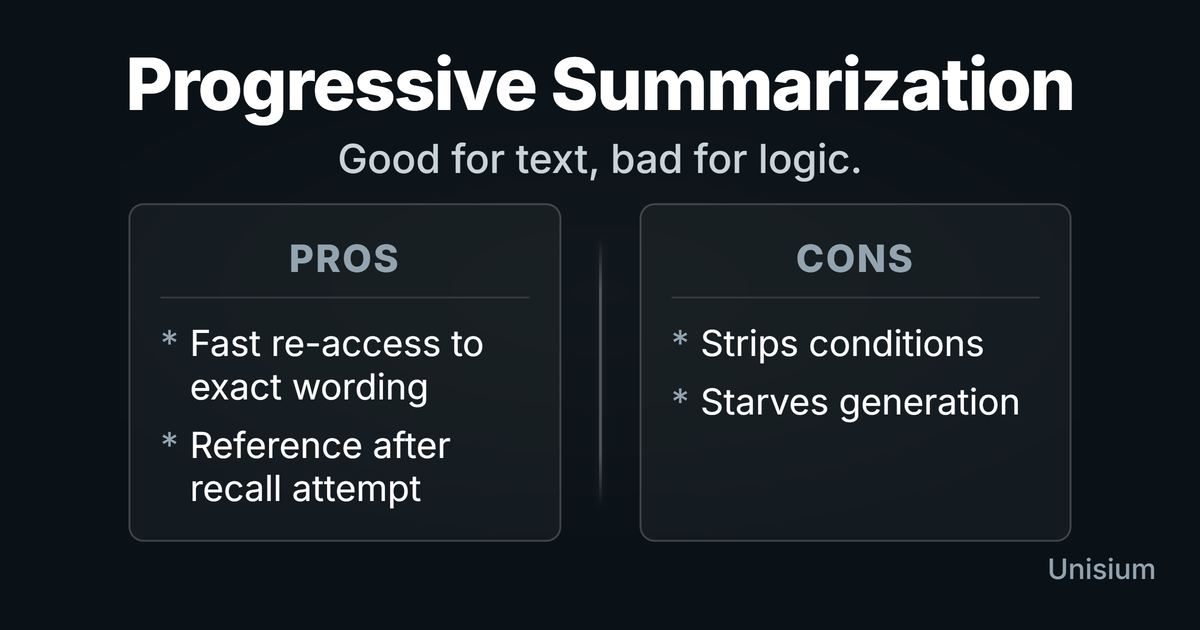
Is Progressive Summarization Effective for Learning Math & Physics? Rarely
Progressive summarization speeds up finding passages, but it weakens step-generation for math and physics. Use it only for constraints lists and decision rules.
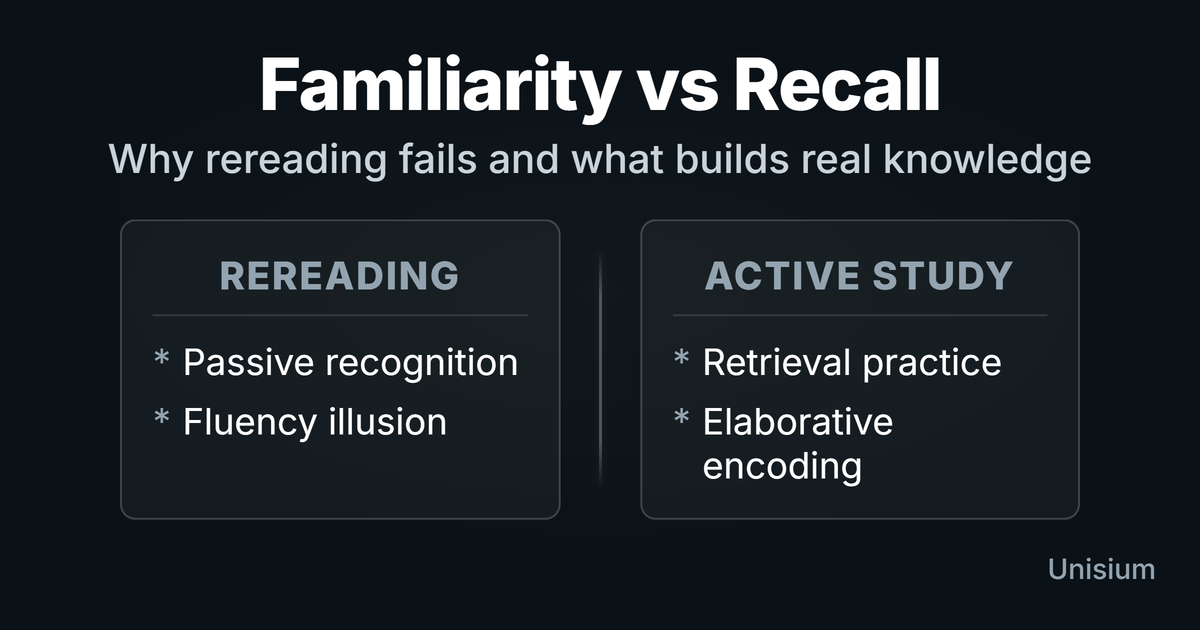
Is Rereading Effective for Learning Math & Physics? Rarely
Rereading improves recognition, not recall, so you stall on math and physics problems under time pressure. Use retrieval, self-explanation, and spacing instead.
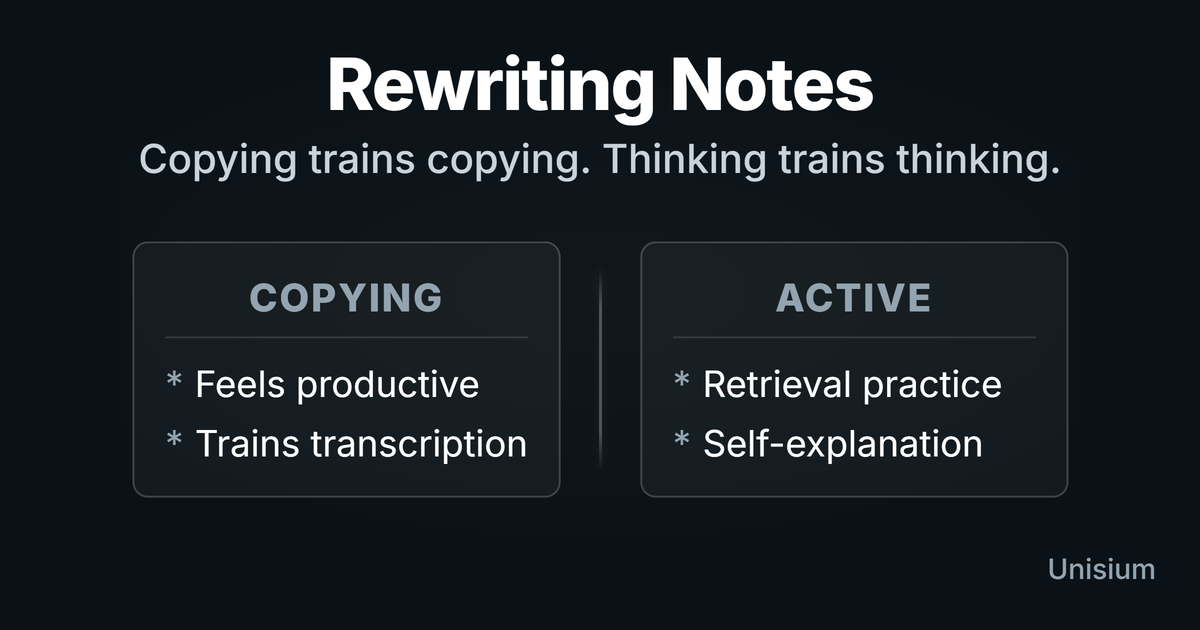
Is Rewriting Notes Effective for Learning Math & Physics? No
Rewriting notes is busywork: transcription without retrieval. Learn why copying fails in math and physics under time pressure, and what to do instead.
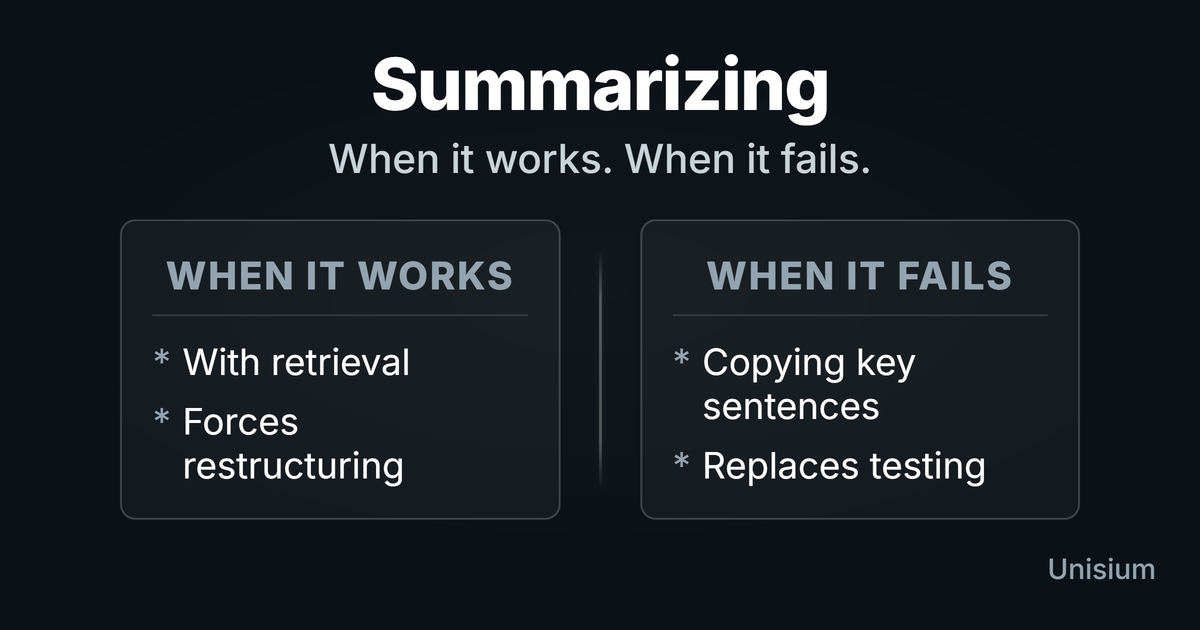
Is summarizing effective for learning math and physics? No
Summarizing feels productive but rarely builds problem-solving skill. Learn when it helps, when it hurts, and what to do instead for durable learning.
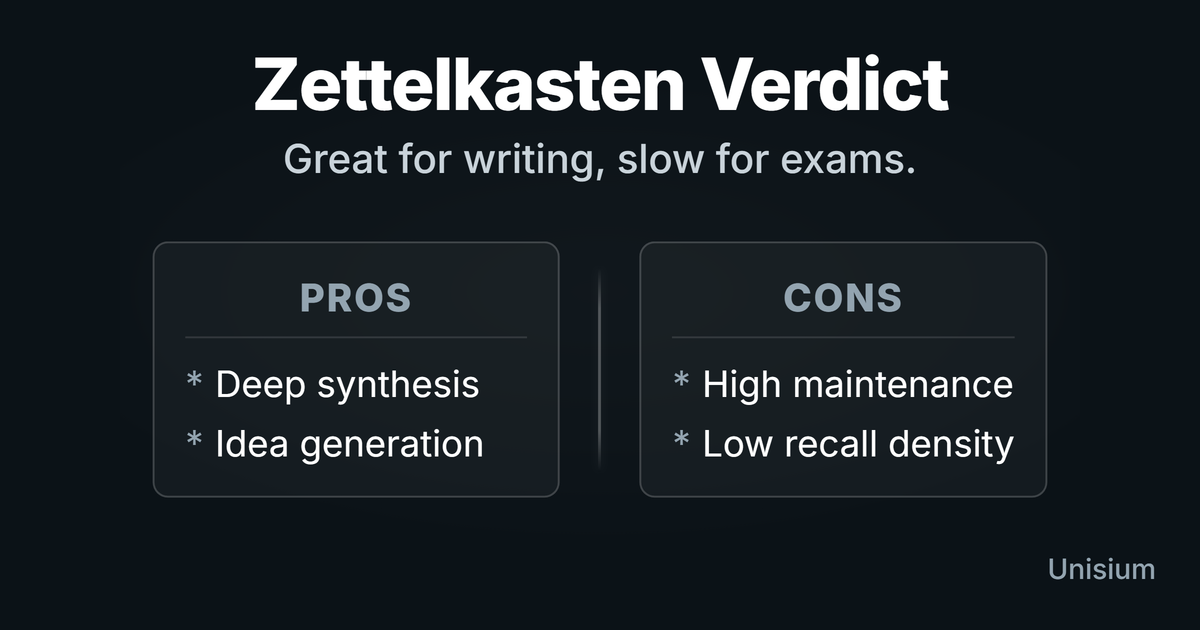
Is Zettelkasten effective for learning math and physics? The efficiency verdict
Zettelkasten helps you connect ideas and write clearer explanations within weeks, but it’s slow for exam fluency. Use it sparingly; solve problems first.
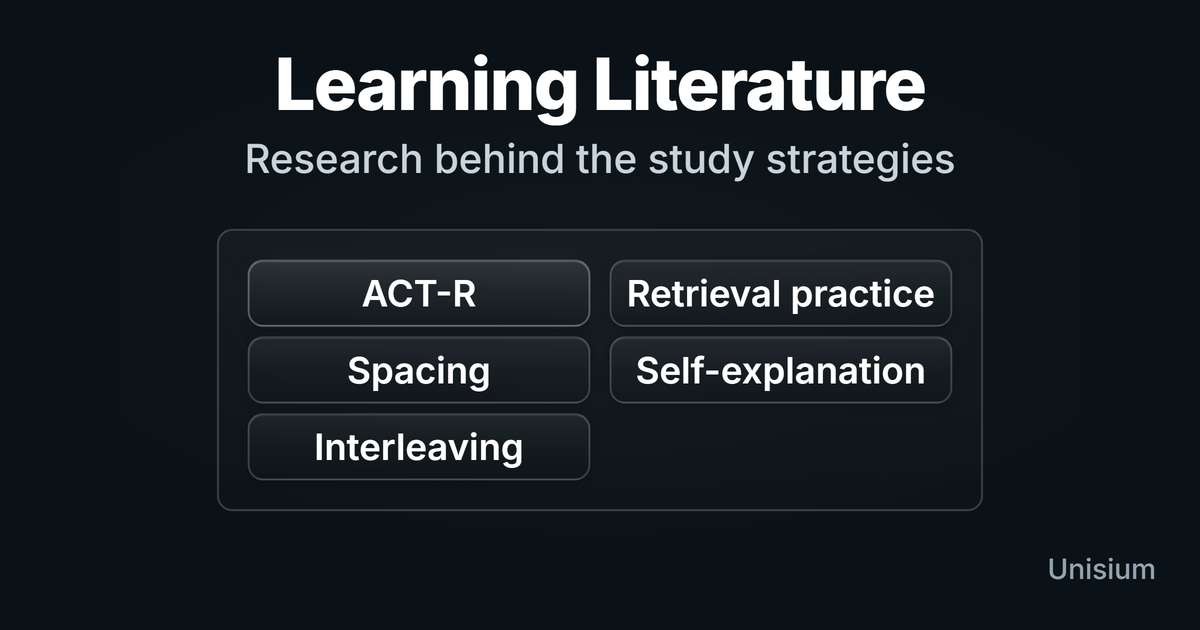
Learning Literature: Research Behind Effective Study Techniques
Evidence-based learning research: ACT-R, retrieval practice, spacing, interleaving, self-explanation. Curated readings behind Masterful Learning.
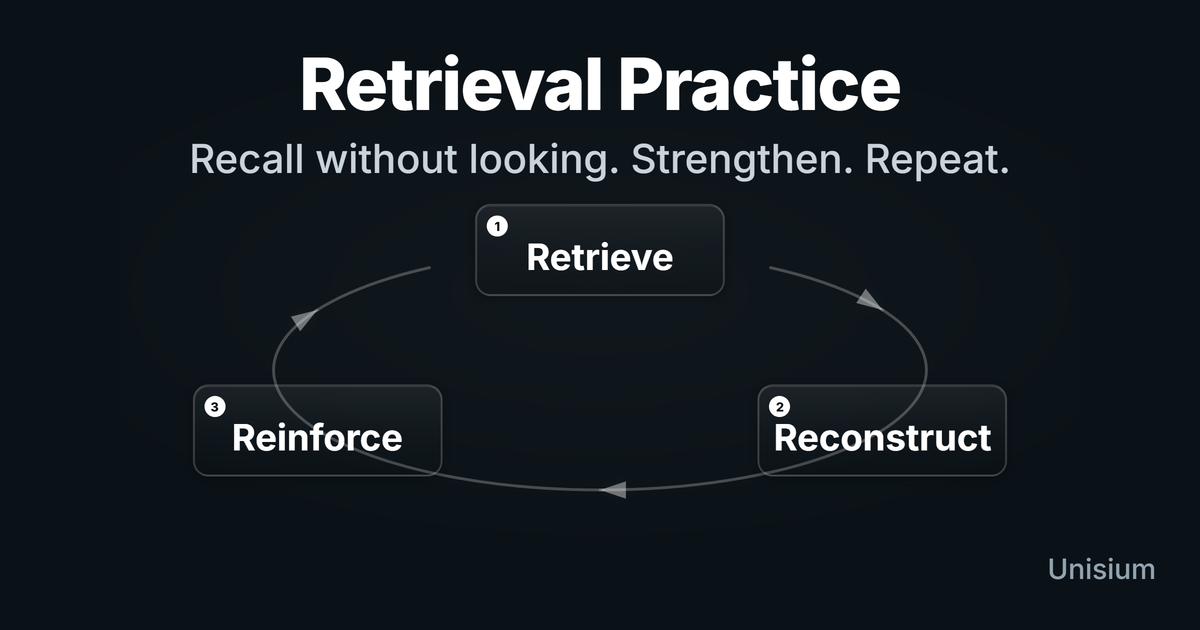
Math and Physics Retrieval Practice: Stop Forgetting Equations and When They Apply
Math and physics retrieval practice helps you stop forgetting equations, conditions, and when ideas apply. Recall before review, space the work, and make knowledge available under pressure.

Mind Maps vs Concept Maps: Better for STEM Learning
Mind maps help you generate nodes; concept maps force labeled links. Learn why that structure matters for physics and math, and how to build one fast.
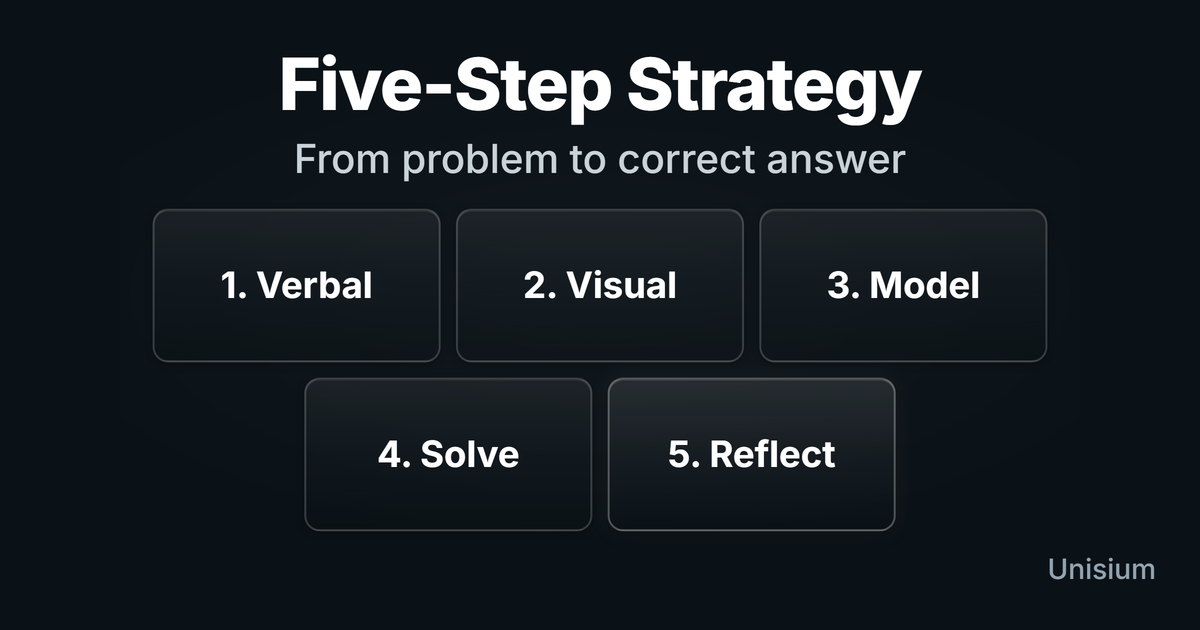
Physics Problem Solving Strategy: The Five-Step Strategy
The Five-Step Strategy helps physics students turn words, diagrams, and conditions into the right model before calculating.

Pomodoro Technique: Focus Tool, Not a Learning Strategy
Is Pomodoro effective for learning? It manages time, not depth. Learn how to adapt it for deep work in physics and math without breaking flow mid-derivation.
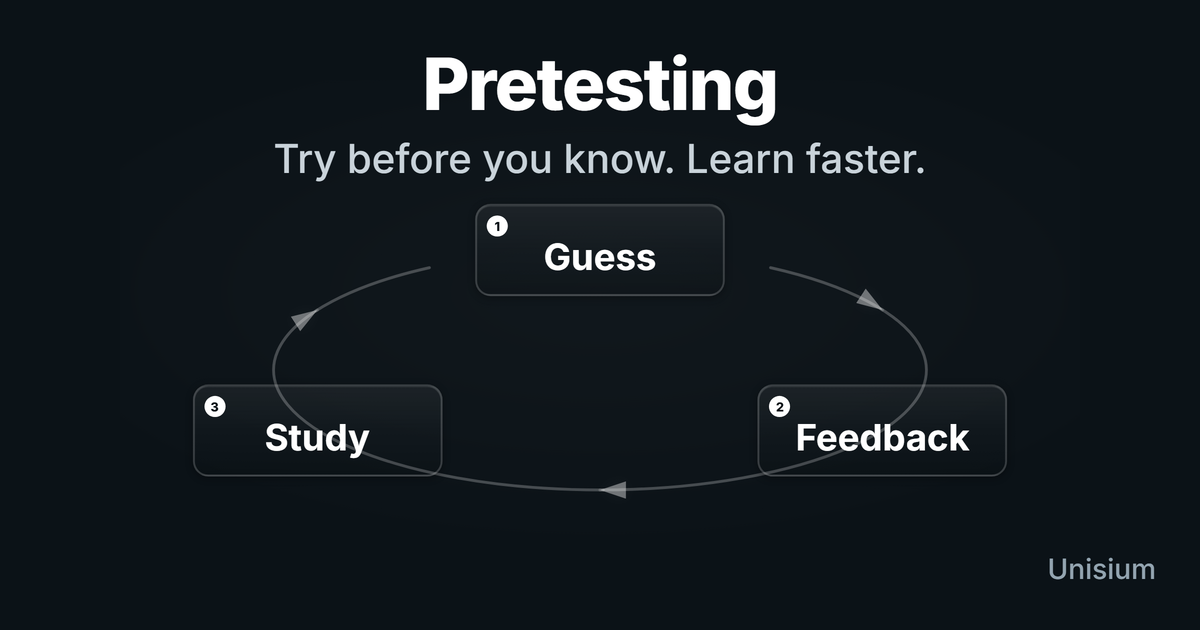
Pretesting: Try Before You Know (and Learn Faster)
Pretesting means trying before you are shown the answer, taught the method, or sure what to do. Make a brief cold attempt from your current knowledge before reading, watching, or checking a solution so the attempt itself prepares later learning.
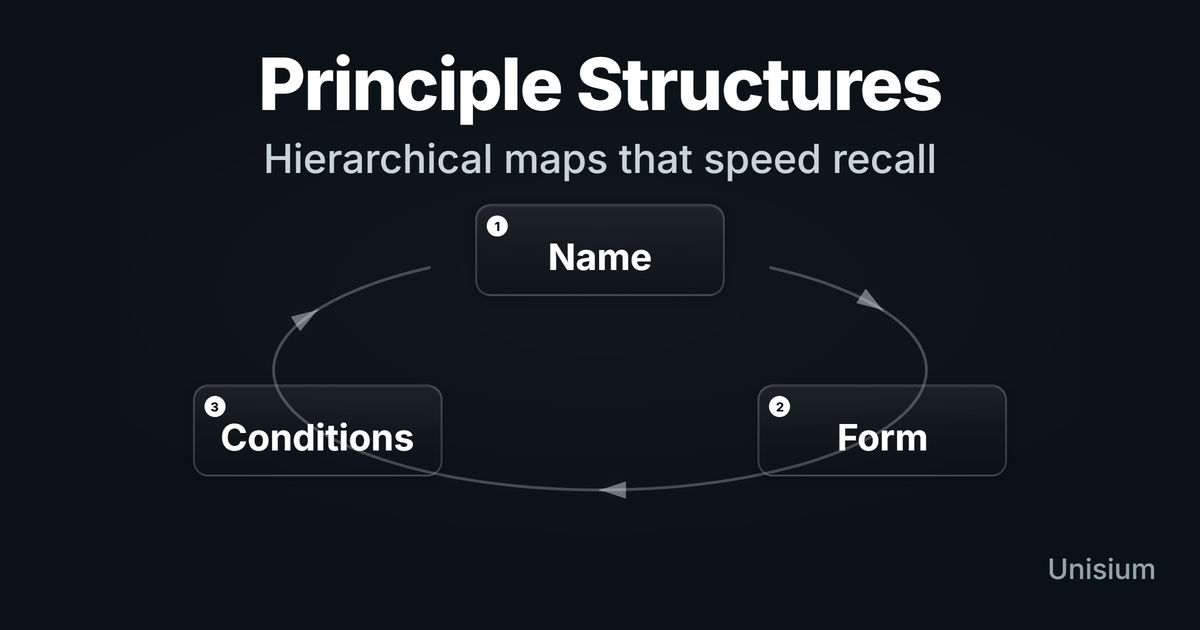
Principle Structures: Physics Equation Sheets for Fast Recall
Download a classical mechanics equation sheet and retrieval sheets, and learn how principle structures help you recall formulas and choose models faster.
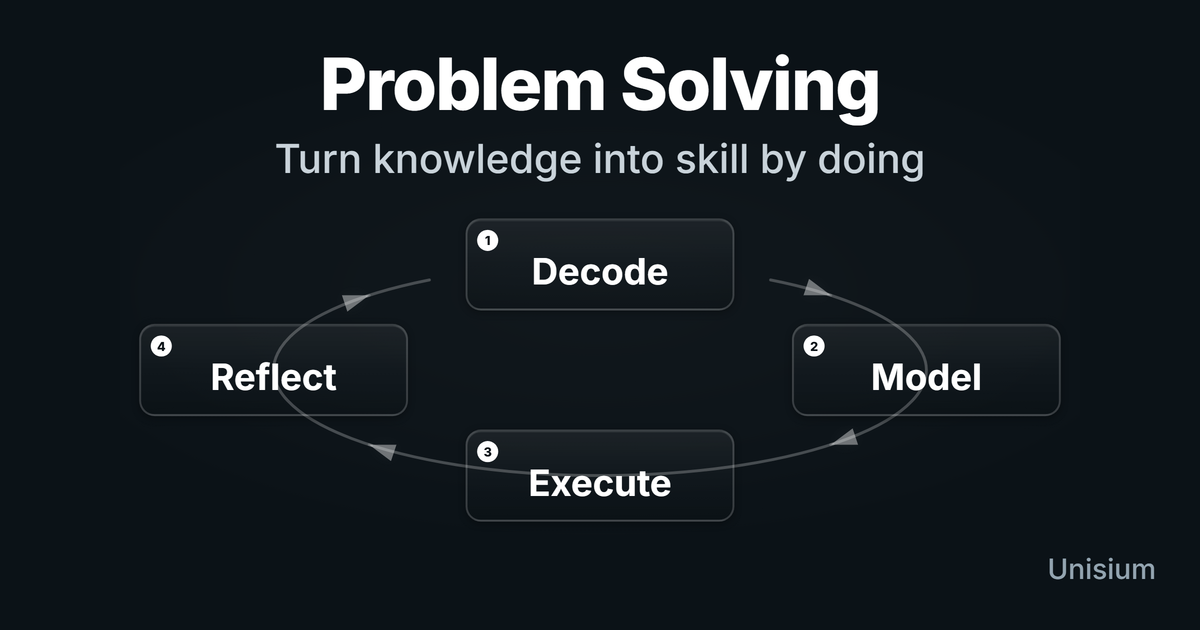
Problem Solving in Math and Physics: From Knowledge to Skill
Problem solving in math and physics turns knowledge into skill by using unfamiliar problems to test principles, build models, and refine solution rules.
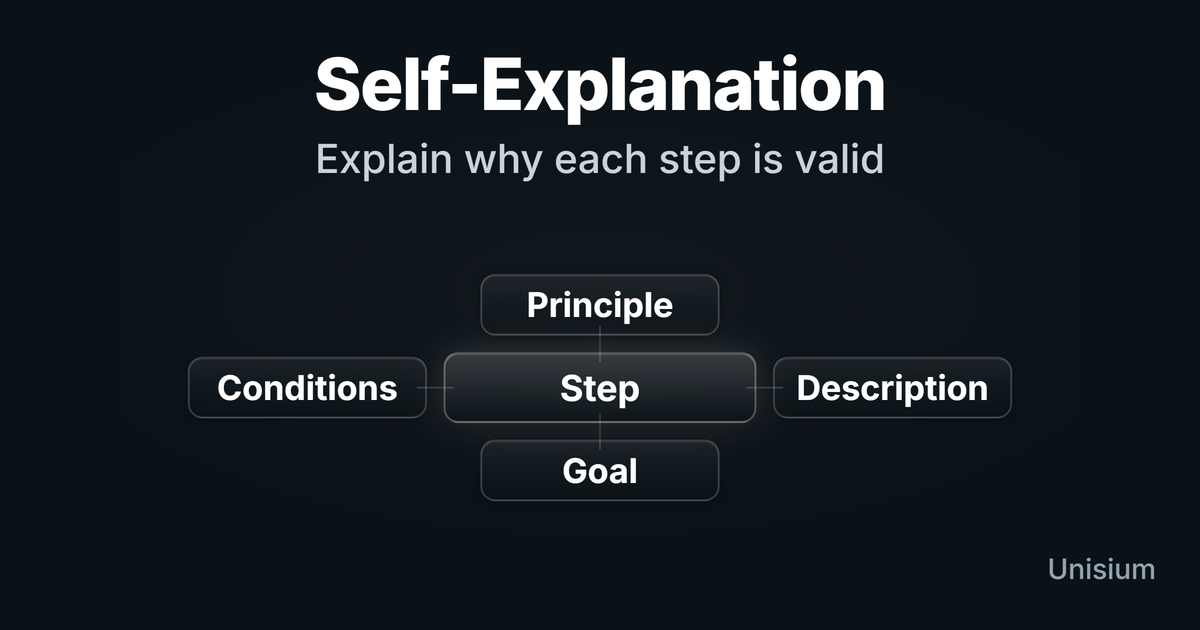
Self-Explanation in Math and Physics: Learn from Worked Examples
Self-explanation is a study method for learning the hidden reasoning behind worked solutions, so you can solve new math and physics problems on your own.
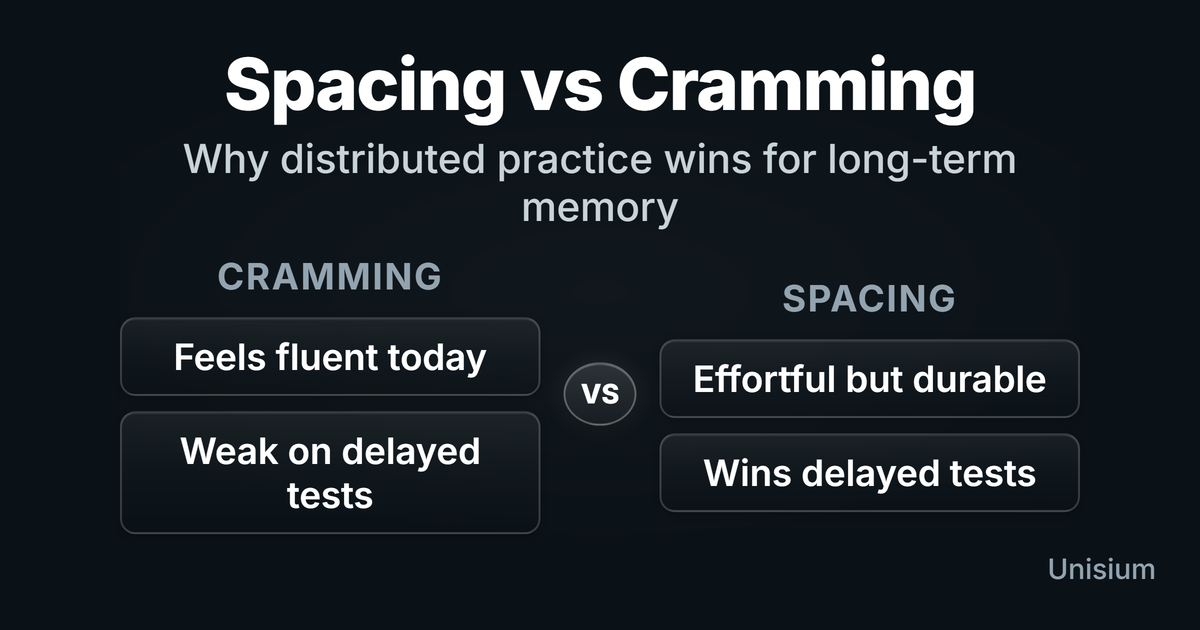
Spacing vs Cramming: Why Distributed Practice Wins (and Exactly How to Do It)
Stop cramming. Spaced learning builds durable memory, better transfer, and calmer exams. Learn why spacing works—and the exact schedules to use.
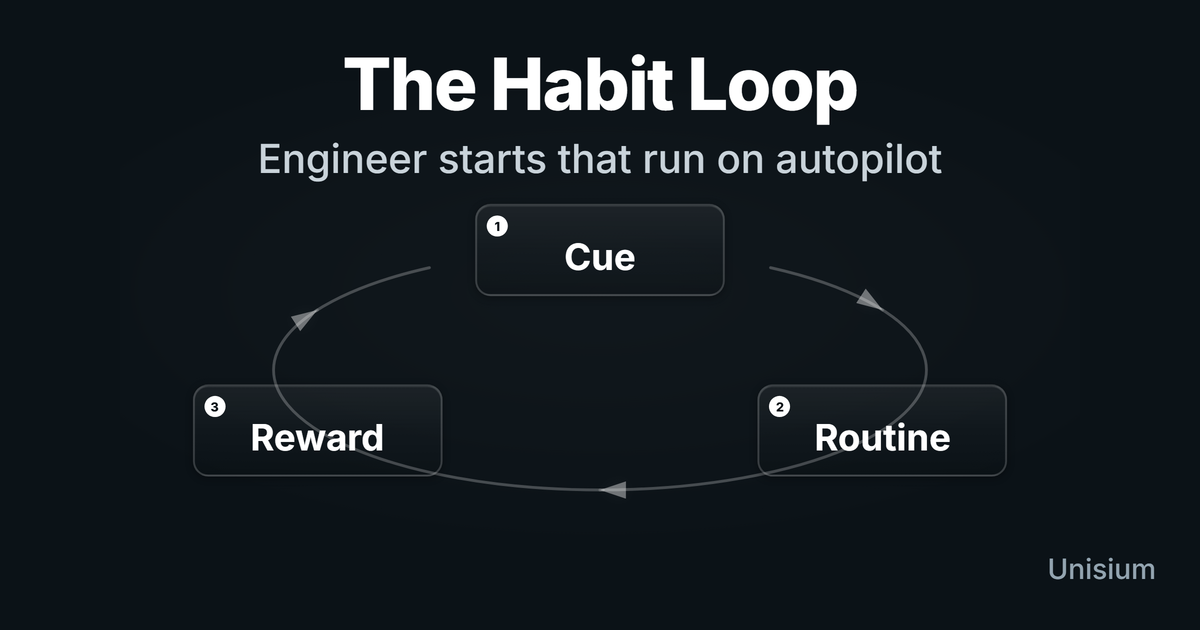
Study Habits for Math and Physics: Start Without Willpower
Study habits are cue-based routines. Learn to write one clear habit rule, engineer cues that trigger studying, and break distractions with friction + replacement.
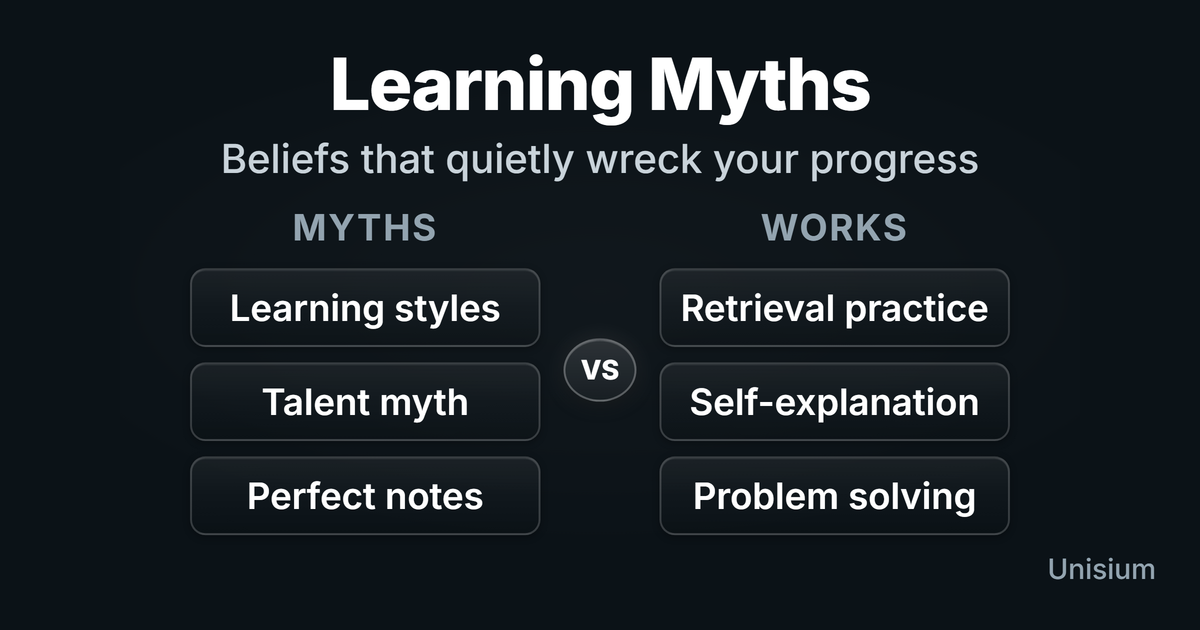
The Big Learning Myths (That Hold You Back in Math and Physics)
Learning styles, talent, perfect explanations, and neat notes sound comforting—but they quietly wreck your progress in math and physics. Here’s what the research says—and what to do instead.
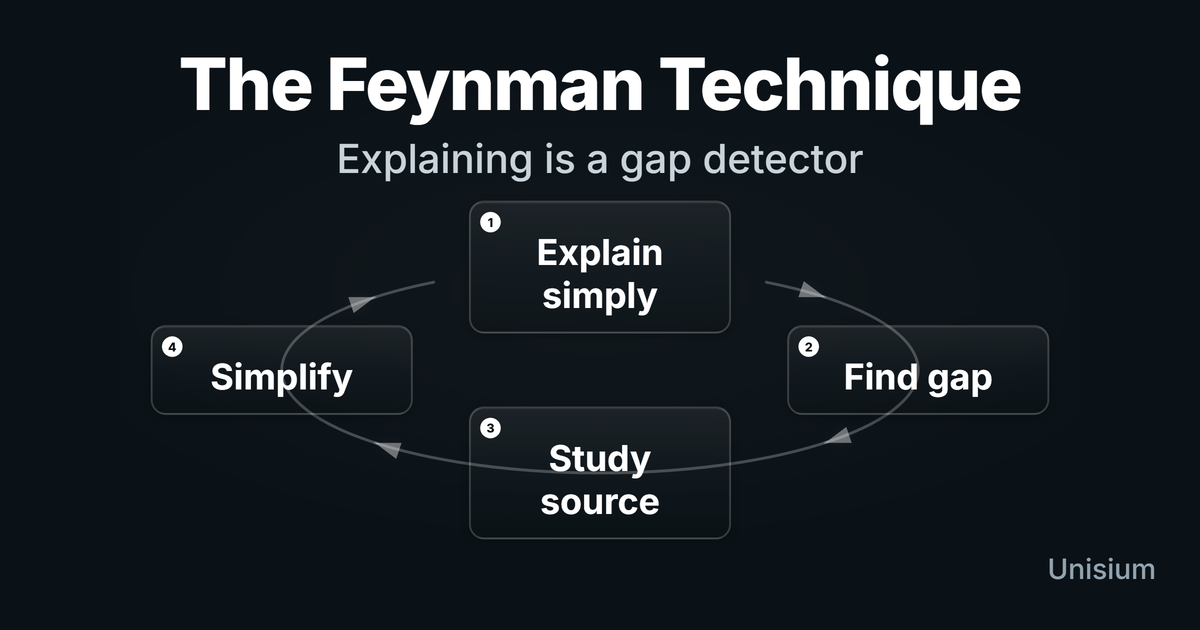
The Feynman Technique: A Gateway to Deep Understanding
Is the Feynman Technique effective? Yes: it forces self-explanation + retrieval, exposing gaps. Use it to simplify tough physics and math concepts for exams.
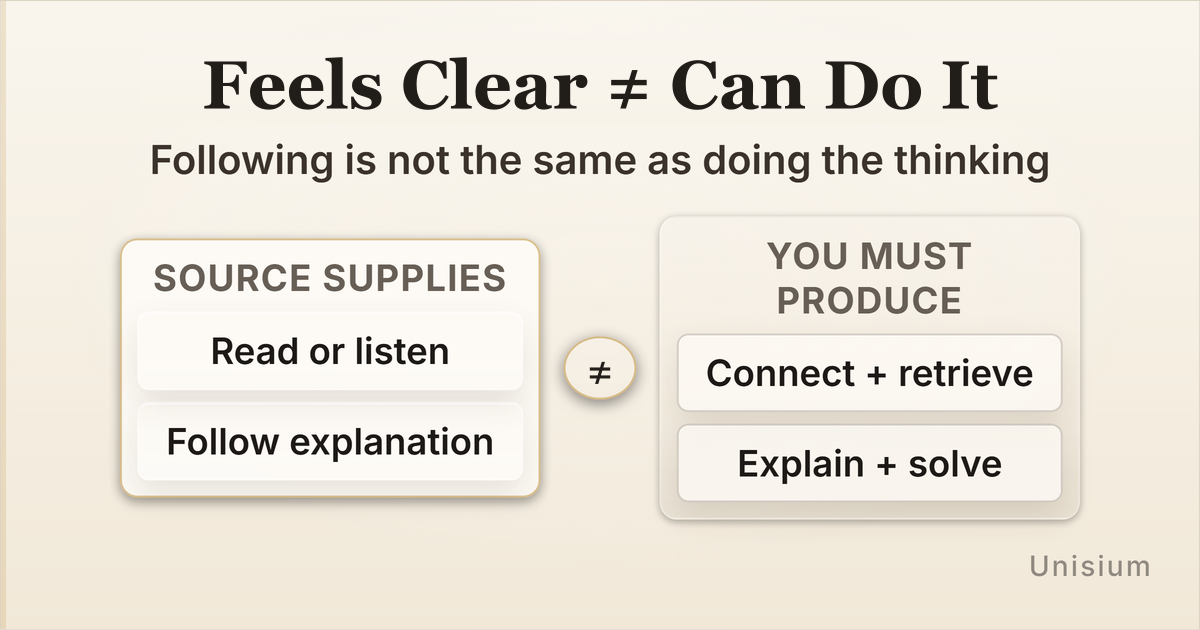
The Illusion of Competence in Math and Physics
Why do math and physics feel clear while studying but fall apart when you work alone? Match your study to connecting, retrieving, explaining, and solving.
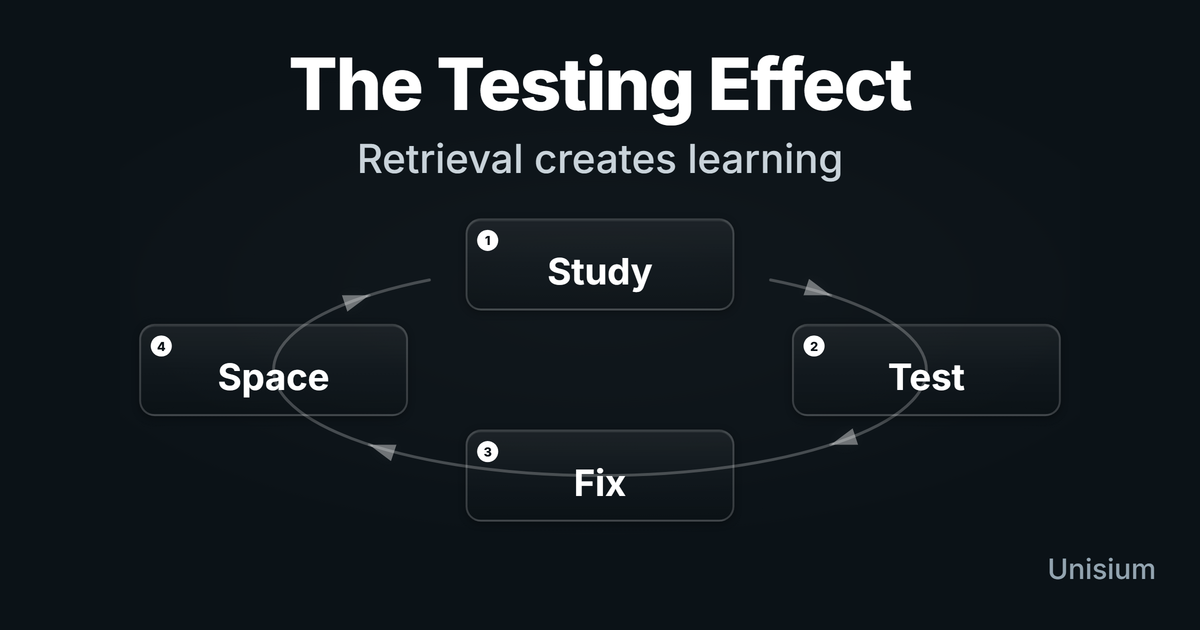
The Testing Effect: How to Supercharge Your Learning by Testing Yourself
Testing yourself isn't just measuring learning—it creates it. Use posttesting + spacing to lock in knowledge and move it to long-term memory.
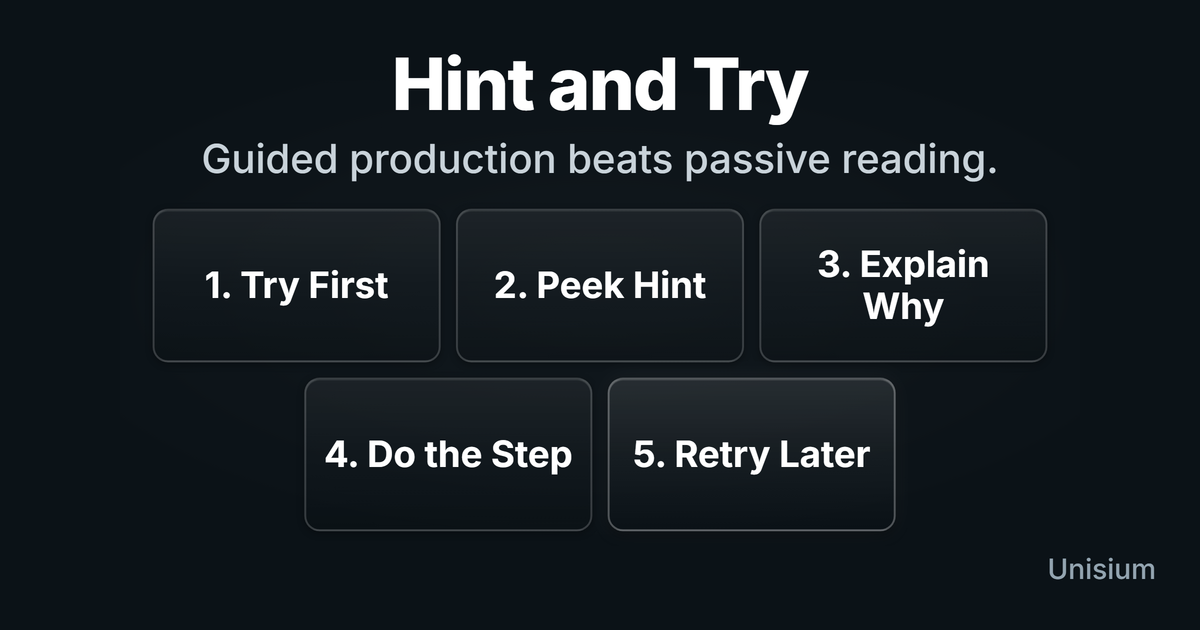
What to Do When You're Stuck on a Math or Physics Problem
When you're stuck on a math or physics problem, use Hint and Try: reveal one useful hint, explain why it works, then do the next step yourself.
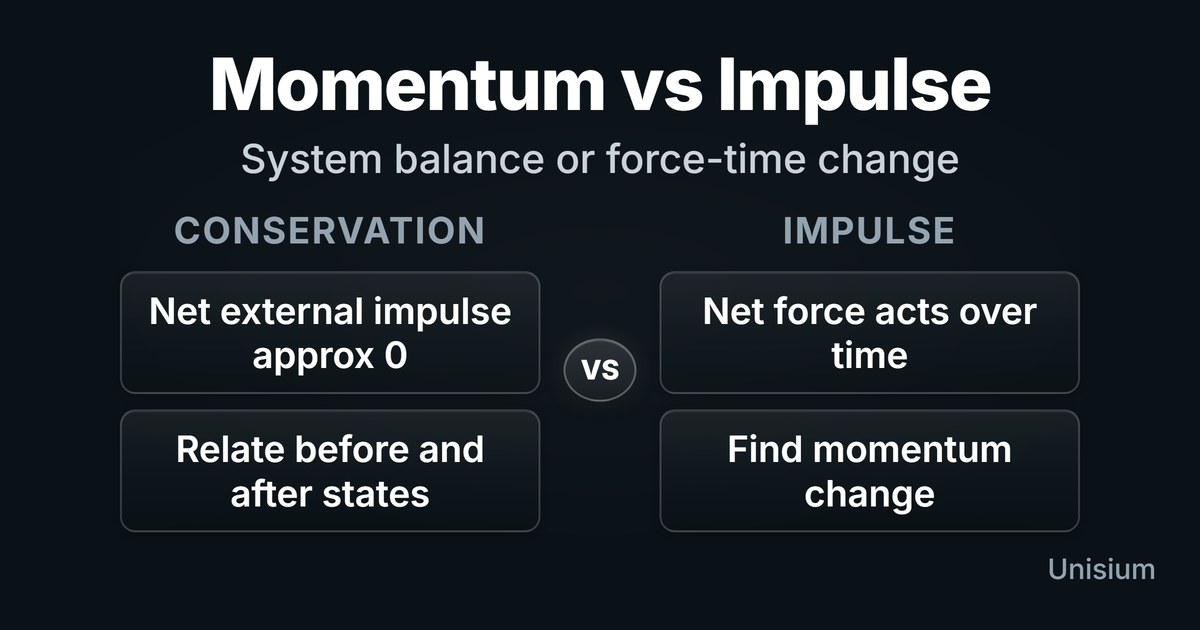
When to Use Momentum Conservation vs Impulse in Mechanics
Use momentum conservation when external impulse is negligible, and impulse when force over time changes momentum. Learn how to choose the right model in mechanics problems.
Domain-Specific
Strategies tailored for specific subject areas like physics or math.
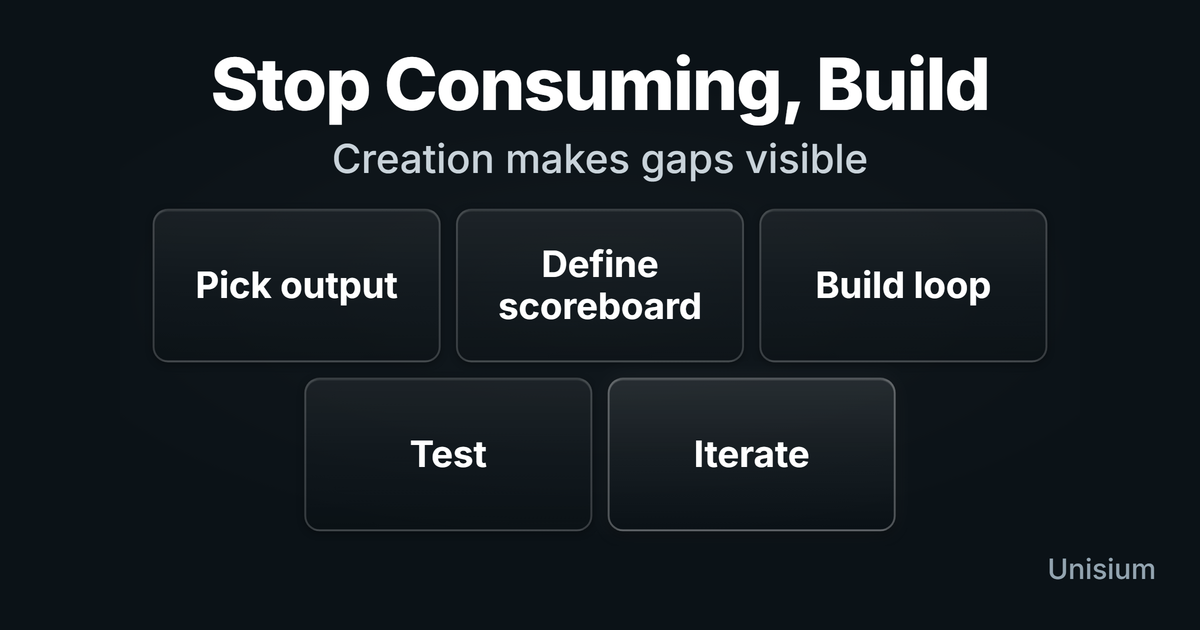
After Studying Math and Physics: Stop Consuming, Build
Stop consuming and start creating. Build testable projects, collaborate, get work or research constraints, and pick a mission that makes skills compound.
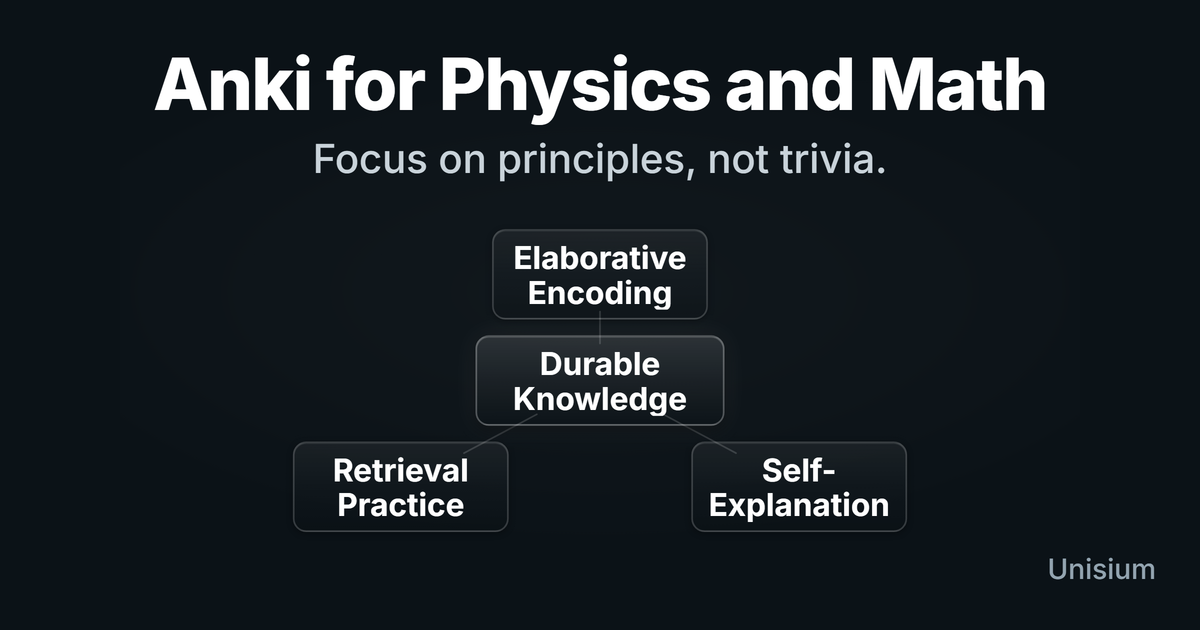
Anki for Physics and Math: Remember What You Need for Hard Problems
Use Anki for physics and math by building durable memories for core principles, equations, conditions, and worked-solution structures.
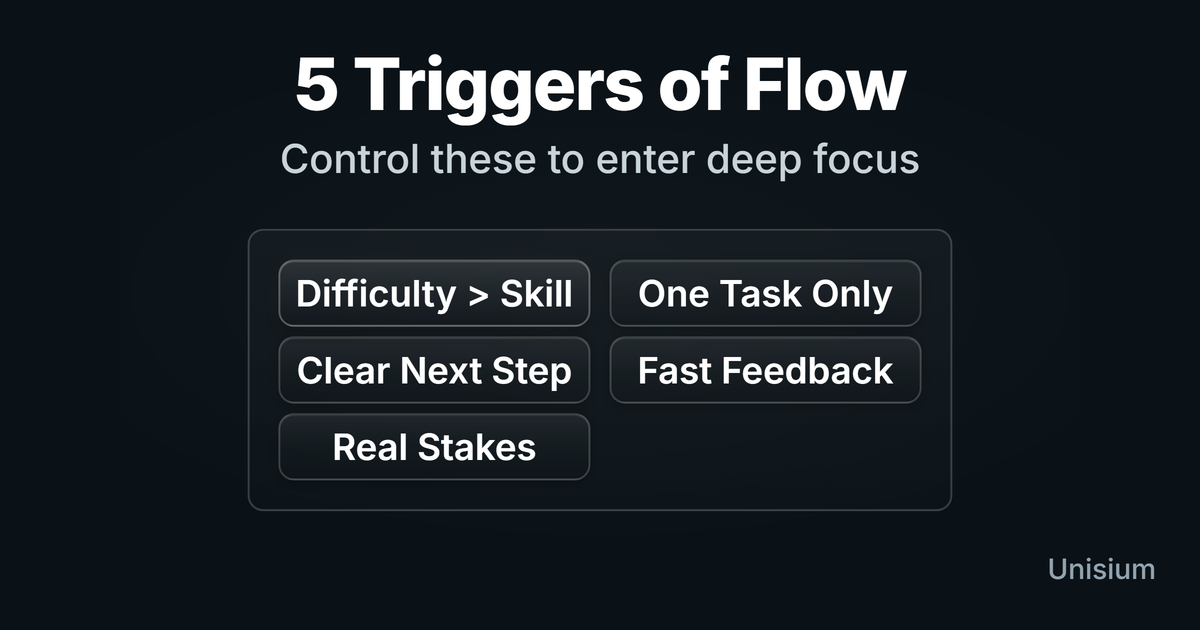
From Resistance to Flow: Deep Focus for Math and Physics
Learn a repeatable system to enter flow in math and physics: beat the first 3 minutes, calibrate difficulty, and tighten feedback loops.
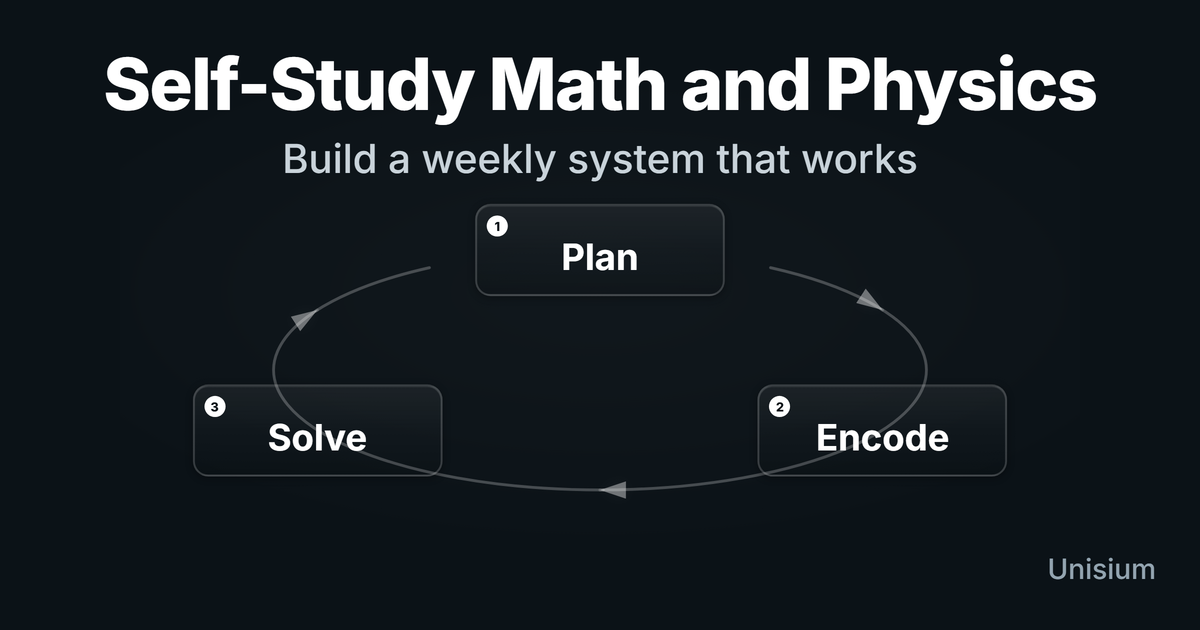
How to Self-Study Math and Physics Effectively
Learn how to plan a math or physics self-study week: what to do first, how to divide time between understanding and problem work, and how to use retrieval, explanation, and practice to build exam-ready skill.
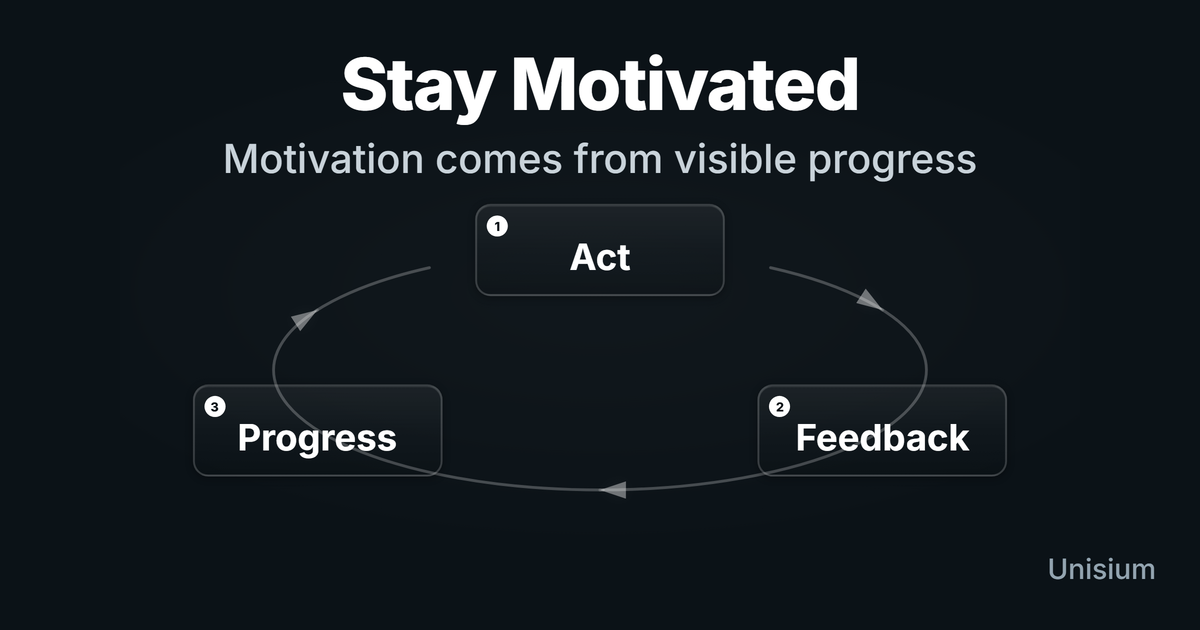
How to Stay Motivated Studying Math and Physics
Stop waiting for inspiration. Learn how to stay motivated studying math and physics by building competence, autonomy, and relatedness with short feedback loops.
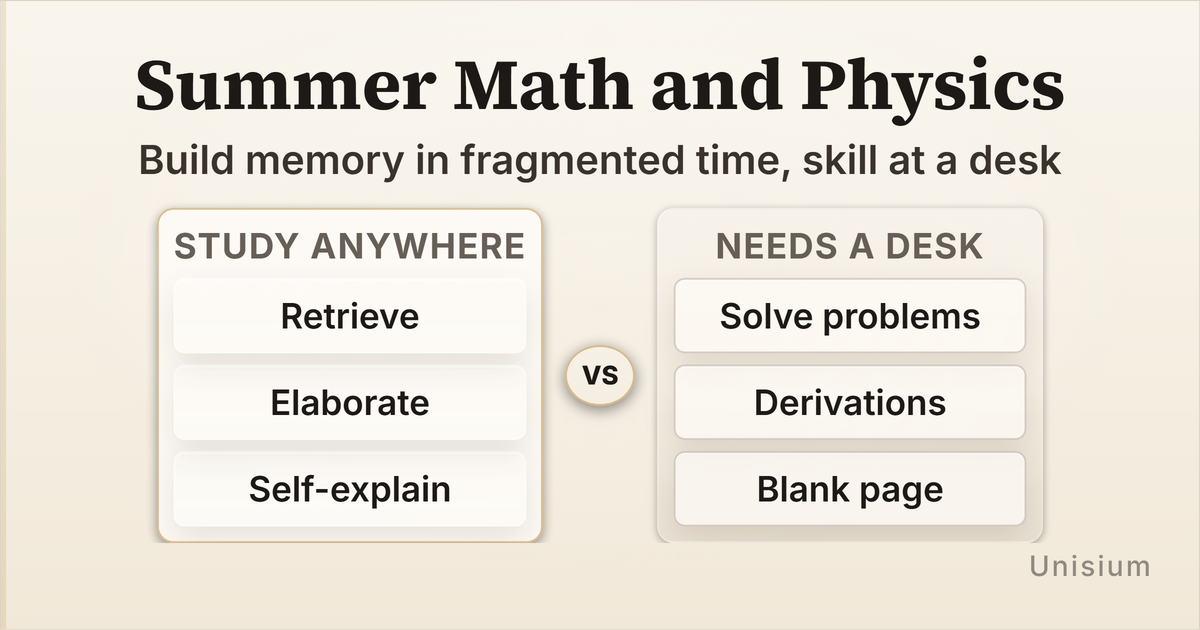
How to Study Math and Physics Over the Summer and Still Enjoy It
How to study math and physics over the summer: use fragmented time to build knowledge and memory, and save focused desk time for problem solving.
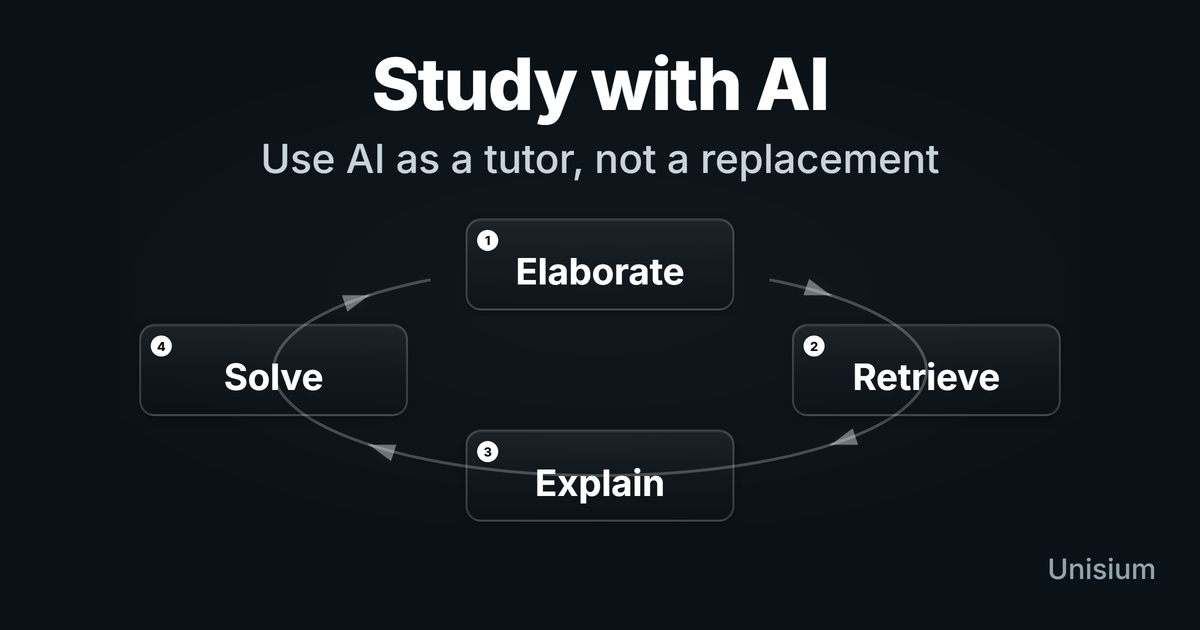
How to Study Physics and Math with AI Without Letting It Think for You
Use AI for hints, checks, questions, and critique after your own attempt while protecting reasoning, units, conditions, and problem-solving skill.
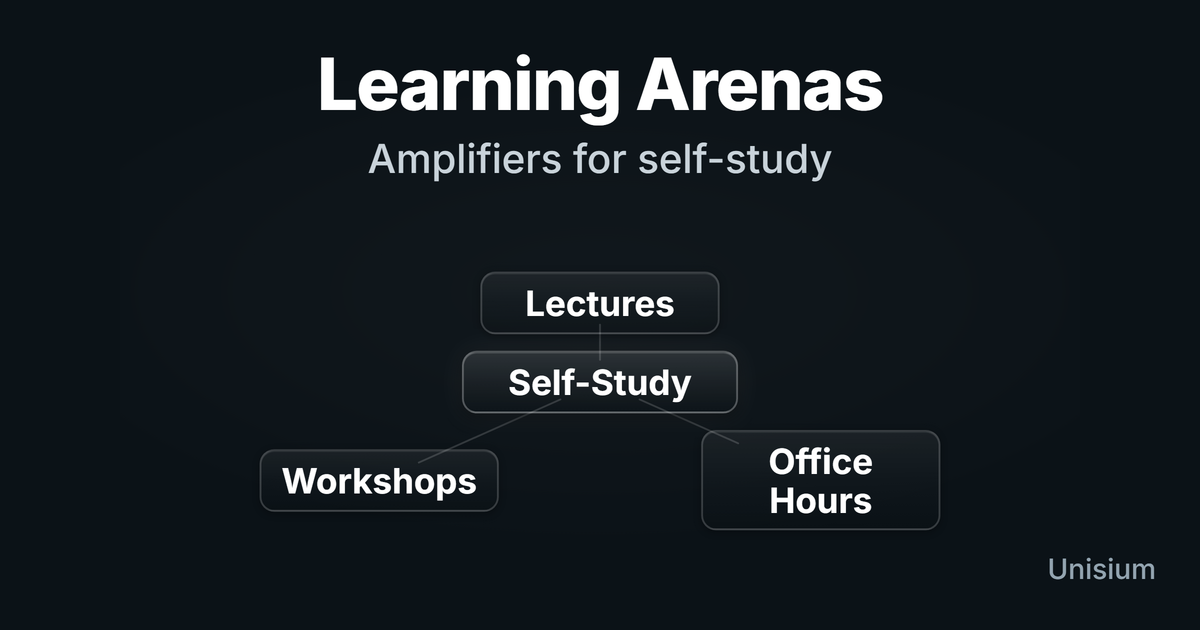
How to Use Lectures, Workshops, and Other Learning Offers Effectively
Turn lectures, workshops, office hours, and study groups into high-yield learning arenas that support your self-study and your core learning loop.
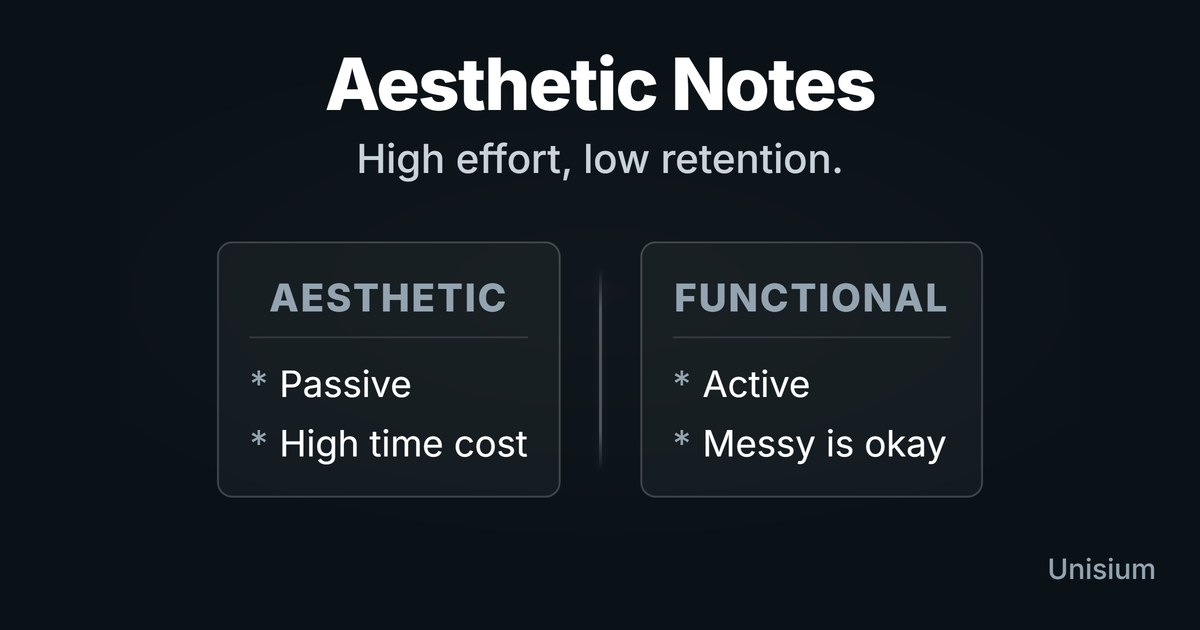
Is Aesthetic Note-Taking Effective for Math and Physics? Low ROI
Aesthetic notes feel productive but often mask shallow learning. Learn why they fail for problem-solving and how to make them functional without the time cost.
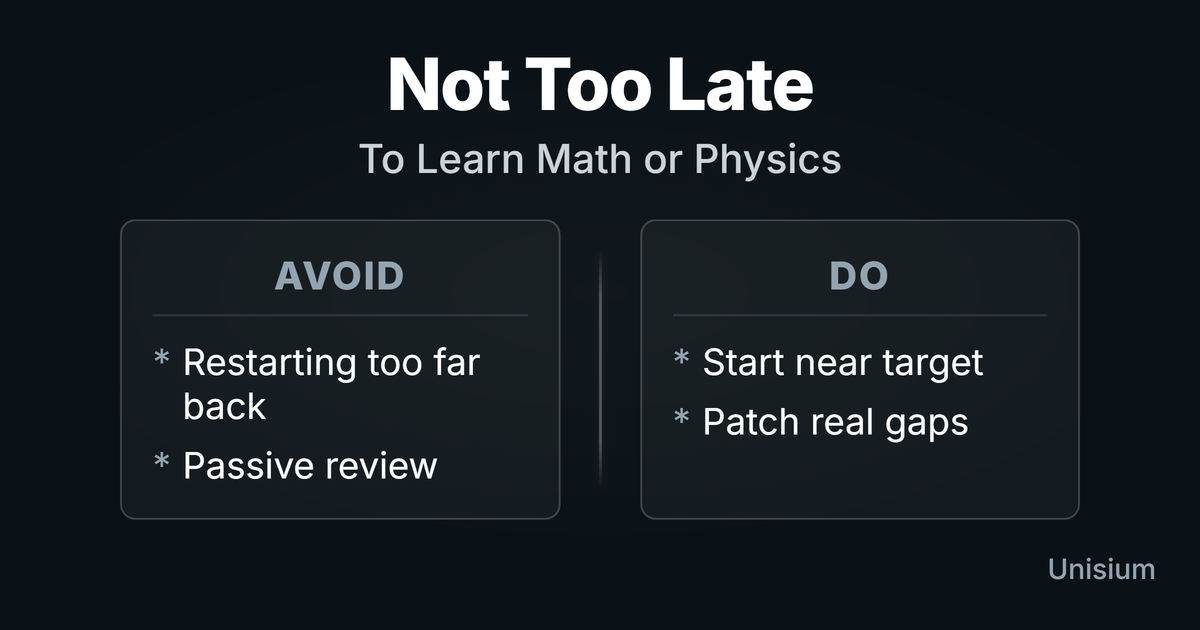
Is It Too Late to Learn Math or Physics as an Adult?
No. Learn how to rebuild foundations, get stronger, and restart math or physics without spending months relearning everything from the beginning.
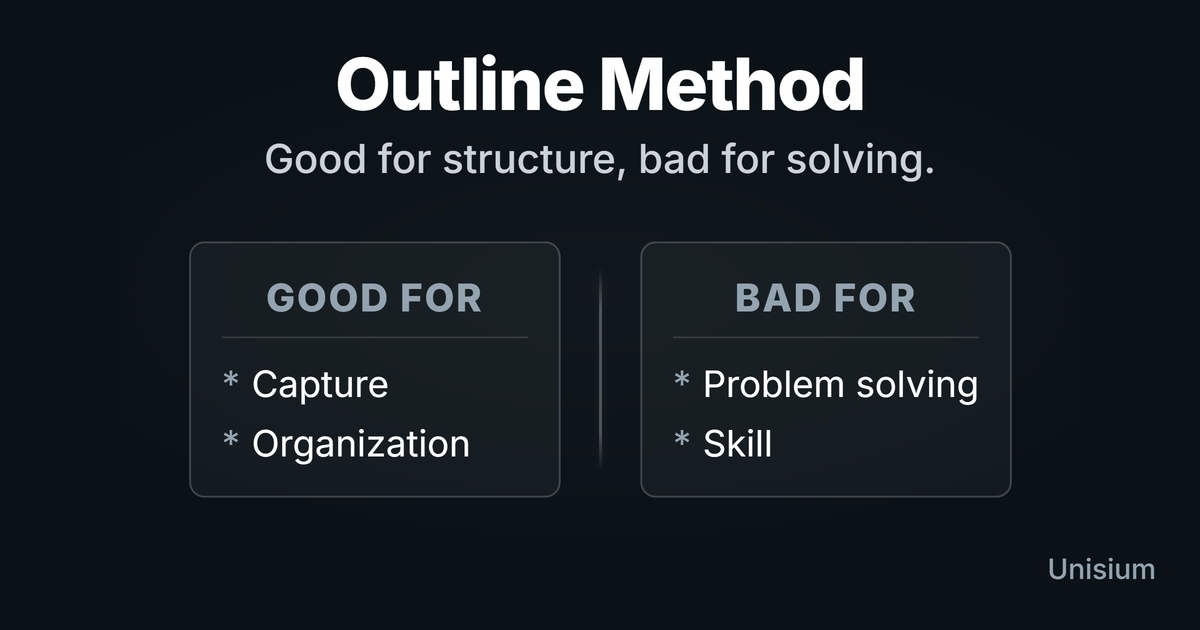
Is the Outline Method effective for learning math and physics? Usually no
Outline Method notes organize definitions fast in one lecture, but hide cross-links needed for derivations. Capture theory, then switch to retrieval practice.
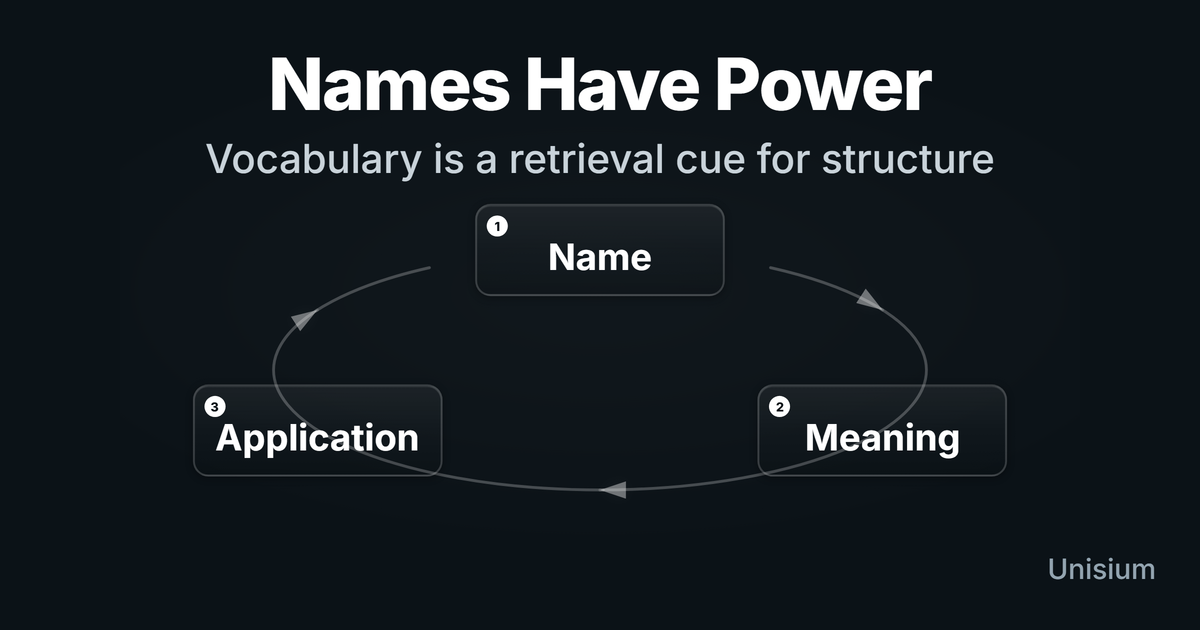
Names Have Power: Why Math and Physics Vocabulary Is Not Optional
Why formal vocabulary matters in math and physics: names help you recognize problem types, activate the right structure, and remember the conditions for using a principle.
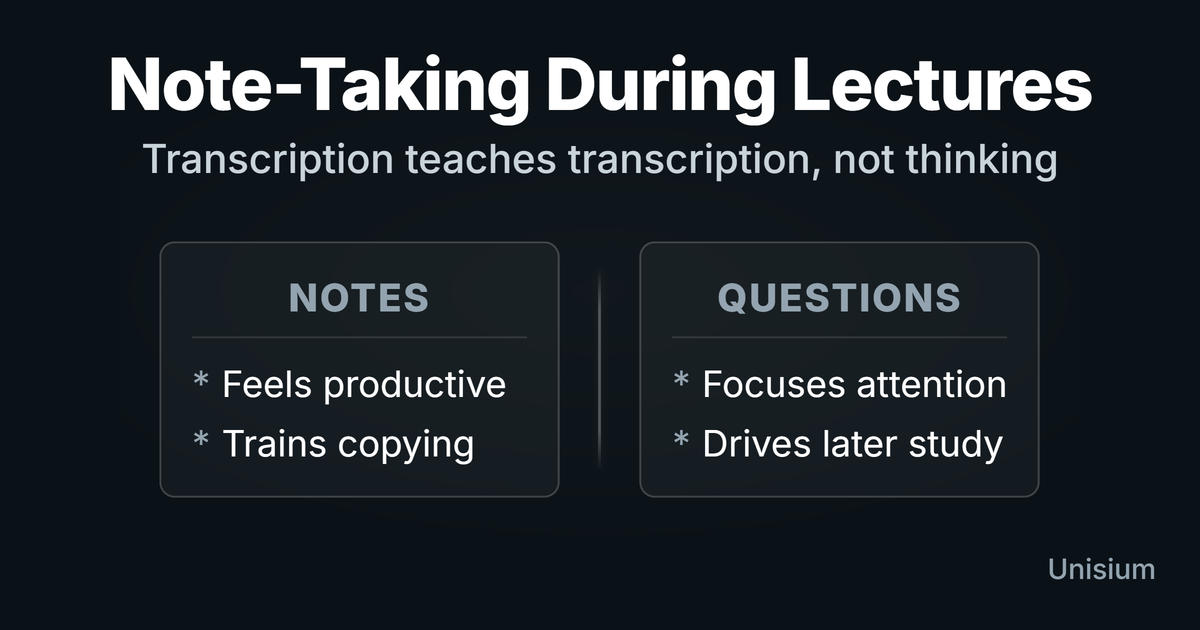
Note-Taking in Math and Physics Lectures: Why It Fails and What to Do
Detailed lecture notes train transcription. In math and physics lectures, follow principles, write precise questions, get them answered, then self-study.
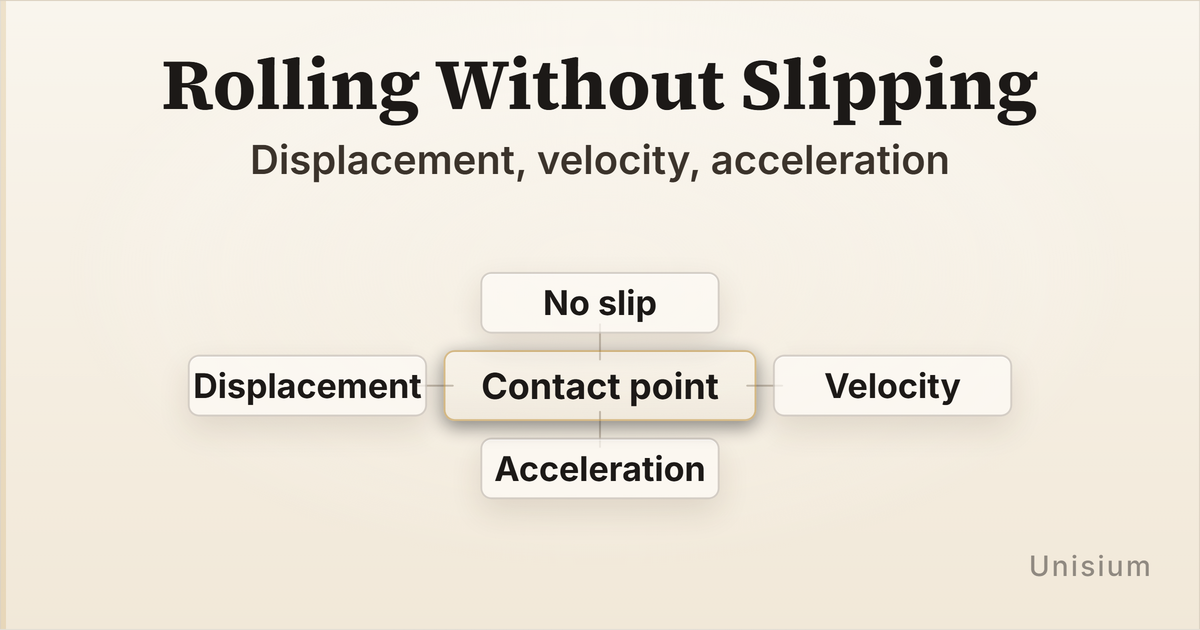
Rolling Without Slipping: Constraints, Speed, and Acceleration
Rolling without slipping links wheel rotation to center displacement, speed, and acceleration. Learn why the contact point is instantaneously at rest.
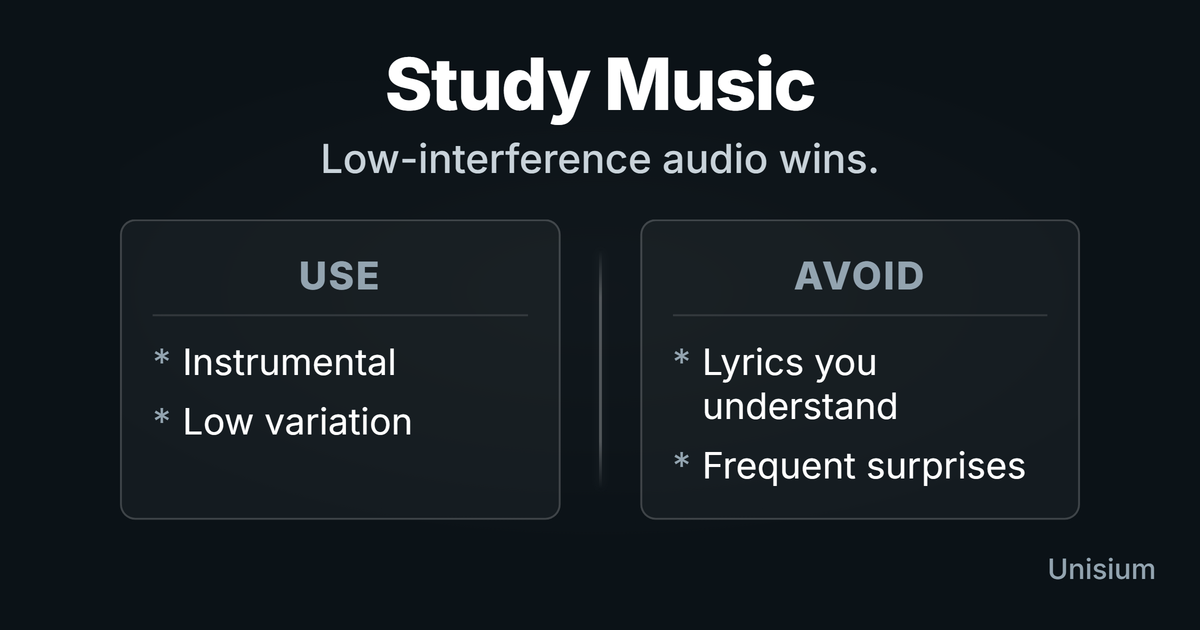
Should You Listen to Music While Studying Math or Physics?
Music can help you start, stay motivated, and block distractions in math or physics. Choose tracks that boost flow without stealing working memory.
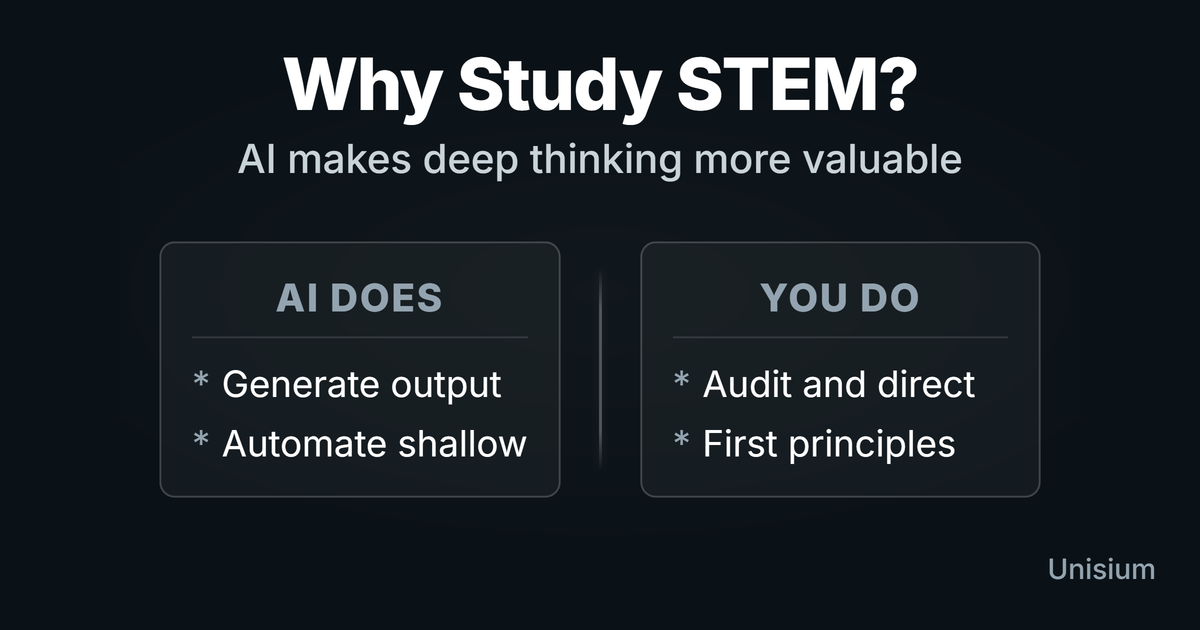
Why Study Math and Physics in the Age of AI?
If AI can already solve problems and write code, is there any point in learning math and physics? Yes: AI makes routine output cheaper, which raises the value of people who can audit assumptions, model constraints, check units, and reason from first principles.
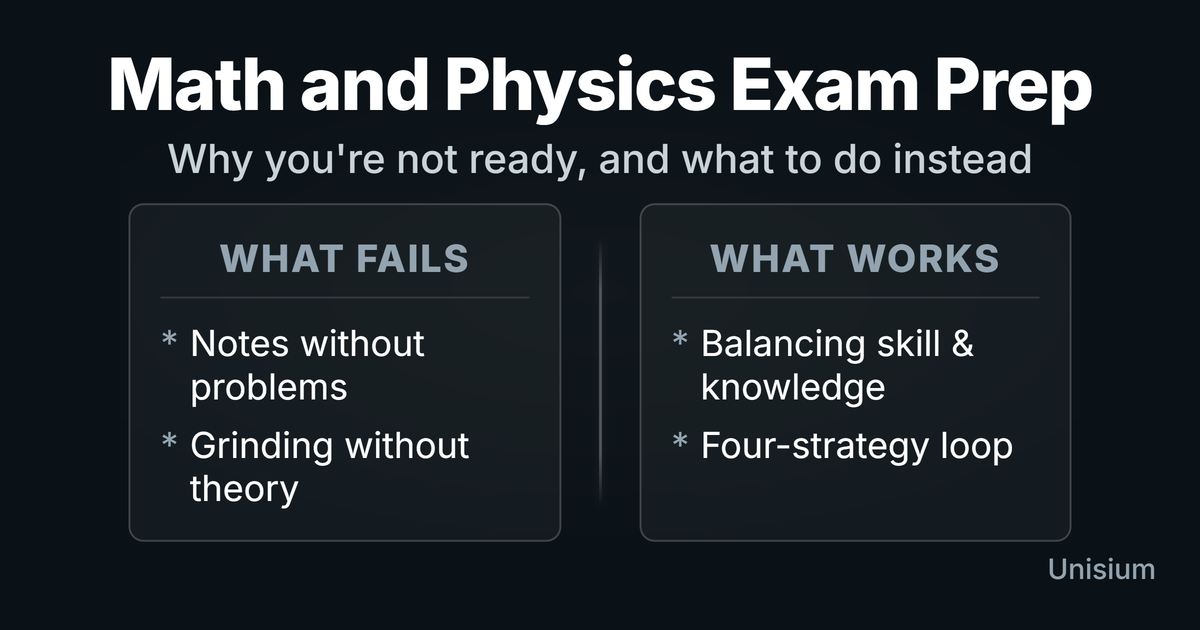
Why You're Not Ready for the Math and Physics Exam (and What to Do Instead)
Most exam prep in math and physics builds either note-based knowledge or blind calculation habits. Learn what written exams test, why your current strategies stall, and how to prepare instead.
Principle maps
One map per subject, listing every principle it covers in teaching order.
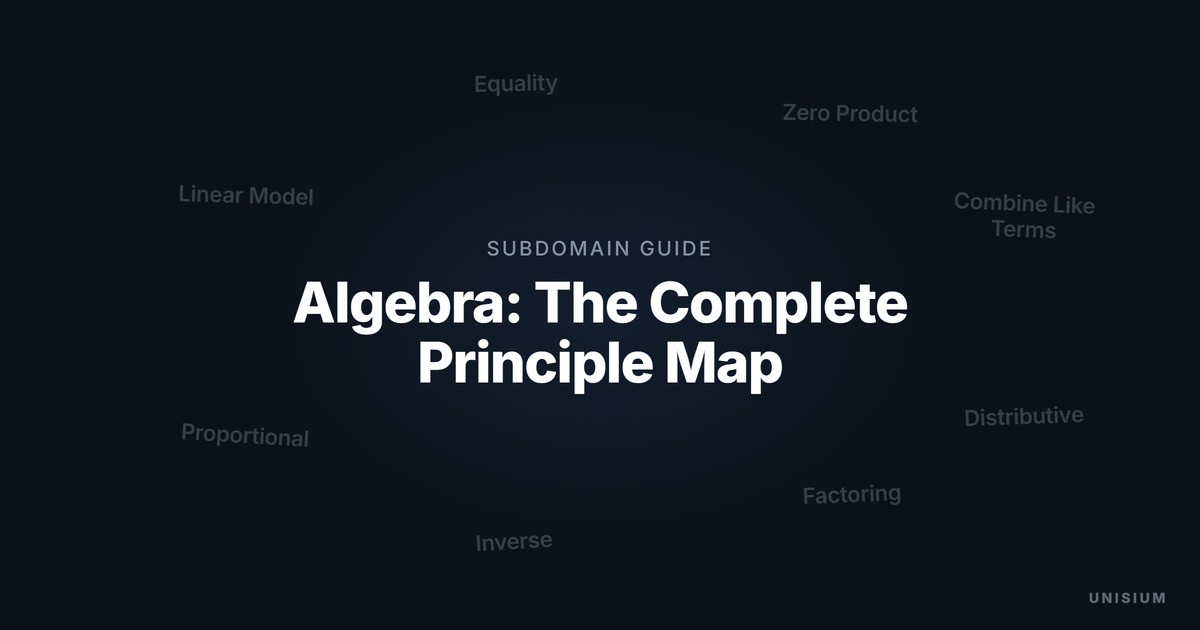
Algebra: The Principle Map
A principle map of algebra for students learning equations, inverses, proportionality, linear models, and factoring in a clear order.
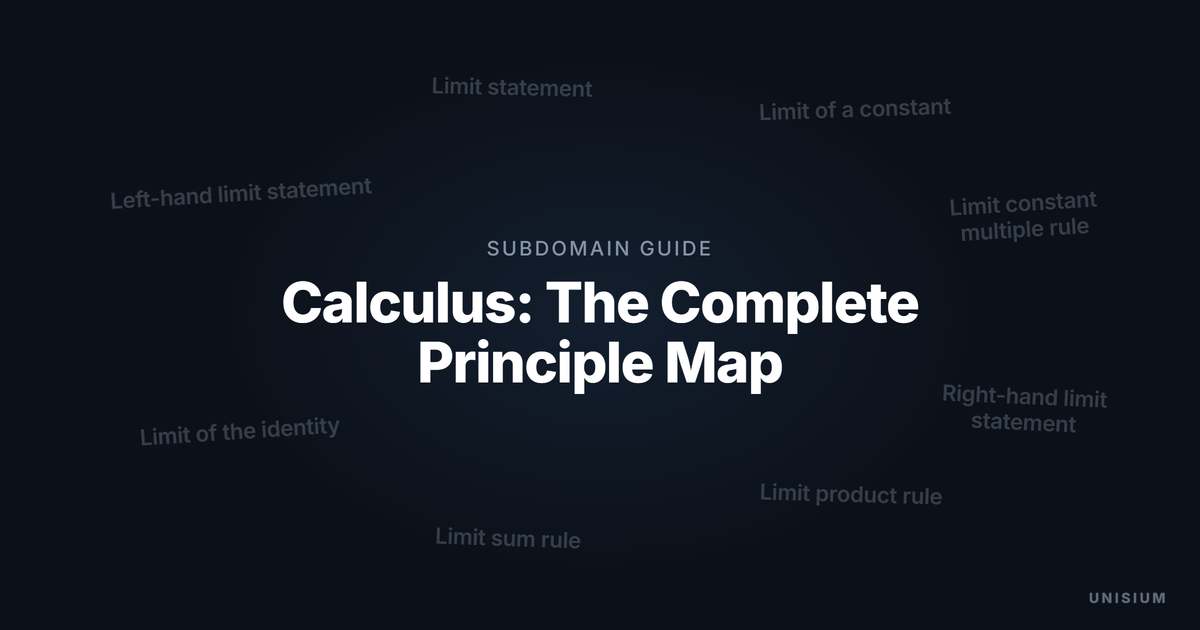
Calculus: The Principle Map
A principle map of single-variable calculus for students learning limits, derivatives, integrals, and applications in a clear order.
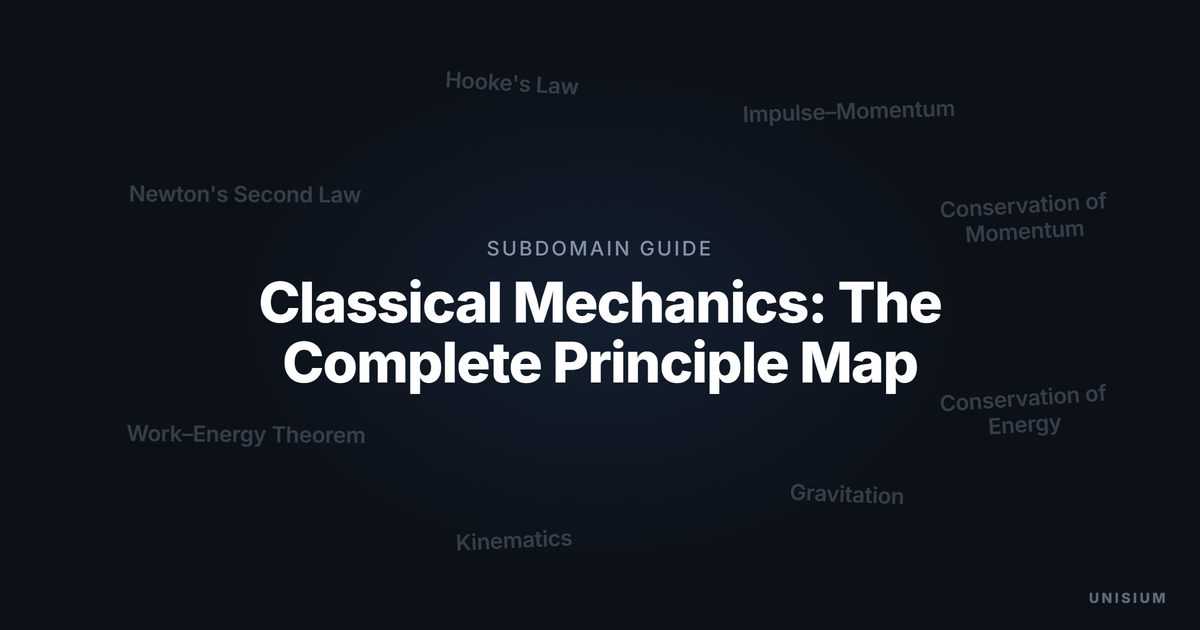
Classical Mechanics: The Principle Map
A principle map of classical mechanics for students learning kinematics, forces, energy, and momentum in a clear order.
Differential Equations: The Principle Map
A map of 47 differential-equations principles across first-order ODEs, linear equations, systems, transforms, and boundary methods.
Electromagnetism: The Principle Map
A map of 63 electromagnetism principles organized by relation family, physical regime, and three layers.
Functions: The Principle Map
A principle map of functions for students learning rules, evaluation, piecewise functions, composition, inverses, transforms, and logarithms.