Study Habits for Math and Physics: Start Without Willpower
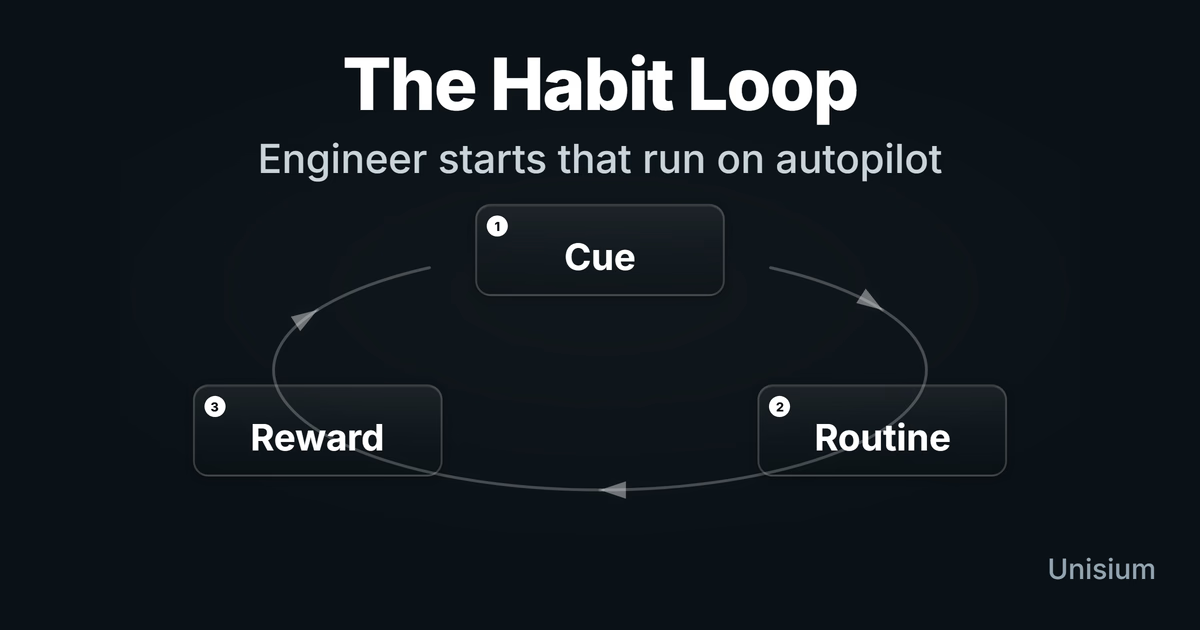
Study habits are cue-triggered routines your brain runs automatically. They work by turning “start studying” into a reflex: a stable cue appears, the next action is already decided, and you begin before your attention drifts to the easiest available task. In the Unisium Study System, reliable starts in math and physics are what make retrieval practice and spacing show up day after day and compound across weeks.
To make this concrete, pair habits with retrieval practice (what you do) and spacing (how often you return).
If you’ve finished coursework and want a roadmap for what to build next, start with After Studying Math and Physics: Stop Consuming, Build.
On this page: Why Habits Work · Build Good Study Habits · Break Bad Habits · Common Mistakes · Start Now · FAQ · How This Fits
Why Habits Work
Math and physics feel hardest at the start because the brain sees uncertainty and tries to reduce it fast. Habits are unconscious skills built through repetition. Distraction is the cheapest way to avoid discomfort, so your attention gets pulled toward whatever is easiest to begin.
Habits win by removing the debate. A cue shows up, and you run the next step you already decided, which reduces restarts and preserves attention for the thinking that matters. (This approach is covered in depth in Masterful Learning.)
In practice, the reward is simple: you stop negotiating and you get a small win.
Skeptical take: Motivation is a mood. Your environment is a system.
If the first minutes feel like resistance, use a flow entry script (see From Resistance to Flow).
Want the complete framework behind this guide? Read Masterful Learning.
Build Good Study Habits
A habit is built from a script and a cue. If either is vague, you will “decide” every time, and decision-making is where studying dies.
Step 1: Write the habit as a rule (what, when, where, why)
Use one sentence you can recall under stress.
Template: When [cue], I will [tiny first action] for [time or stop rule], because [why].
Example (physics): “Cue: I sit down at my desk after breakfast. Action: I do 5-15 minutes of retrieval practice on yesterday’s principles. Start: within 60 seconds. Stop: after one full list recall. Setup: retrieval sheet ready in the same place. Why: strengthen recall and make the rest of the session easier to begin.”
Example (reading room): “Cue: I arrive at the reading room. Action: I do 5-15 minutes of retrieval practice on old principles. Start: within 60 seconds. Stop: after one full list recall. Setup: sheet in the same place every time. Why: learning effect, kickstart, flow.”
If “start time” is slippery, a timer can lock it in—use Pomodoro as a cue, not a strict interrupt.
Step 2: Choose a cue you cannot miss
Good cues are concrete events or objects, not “around 10-ish.” If you can miss the cue, you will.
- Sitting down in the same chair
- Laptop lid opens
- First thing you see is the retrieval sheet on your keyboard
- You enter the reading room
If you have to remember the cue, it’s not a cue. It’s a wish.
Step 3: Link the habit to an existing routine
Borrow a stable event so the trigger is automatic. You are not creating a new life; you are attaching a new action to an existing one.
Example: “After I arrive at the reading room and sit down, I immediately open my problem set and solve one warm-up question using the Five-Step Strategy format.”
Step 4: Make the start embarrassingly easy
Most habit failures are startup-friction failures. Make the first rep tiny, and treat a tiny start as success because you are training the cue-response link.
If you miss a day, shrink the action, not the cue.
- One retrieval prompt
- One warm-up problem
- One line of self-explanation (“What is confusing right now, exactly?”)
Step 5: Use visible materials to remove “search time”
Leave the next step ready in the environment so you don’t pay a hidden cost before you even begin.
- Retrieval sheet on top of your keyboard
- Notebook opened to the right page
- Problem set tab pinned
- “Today’s targets” as a single page on your desk
Break Bad Habits
Bad habits are often anxiety management disguised as “a break.” They feel good now and expensive later.
Step 1: Interrupt with awareness (every time)
When you catch the behavior, pause and label it. Awareness matters because it moves you from autopilot to choice.
- What triggered this?
- What feeling am I trying to escape?
- What reward am I chasing?
Step 2: Remove cues and add friction
Make the bad habit annoying to start, so the smooth path disappears.
Sound is a cue too—use study music rules so your setup supports work instead of stealing capacity.
- Use a blocker with a password you do not know (give it to a friend or store it away)
- Keep your phone out of the room for the first work block (not “face down on the desk”)
- Delete apps (not just “log out”)
- Block sites during study hours
Step 3: Replace the loop with a better default
If you don’t have a replacement rule, you’ll relapse—steal a few defaults from Effective Study Mindsets.
Removal without replacement creates a vacuum, and the old habit returns. Pick a substitute that matches the need.
- Need: decompression -> stand up, drink water, 10 deep breaths
- Need: novelty -> switch to a different problem type for 3 minutes
- Need: escape -> write one sentence: “The next smallest step is ____.”
Step 4: Make the “why” concrete
Bad habits win by offering immediate payoff, so your counter has to be specific enough to compete.
- “If I don’t scroll, I get a clean start.”
- “Clean starts produce more solved problems.”
- “More solved problems means competence, and competence feels good.”
Common Mistakes
- Vague habit (“study more”) - Write one sentence with a cue and a first action.
- Cue is optional - Anchor it to a stable routine (breakfast, arrival, sitting down).
- Too big too soon - Train the start first. Volume comes later.
- No friction on distractions - Remove cues, block access, add steps.
- No replacement - Decide the substitute behavior before the urge hits.
- Negotiating the start (“I’ll just check one thing first”) - Make the cue trigger a tiny action within 60 seconds.
Start Now (5 minutes)
- Pick one cue (1 min) - “When I sit down at my desk…”
- Pick one tiny start (1 min) - ”…I do one retrieval prompt.”
- Make it visible (2 min) - Write the rule on paper and place it on your keyboard or notebook.
- Run one rep (1 min) - Do it once, then stop.
If you do this tomorrow again, you are building the habit.
Before you leave today, set up tomorrow’s cue (sheet on keyboard, rule on paper).
FAQ
What are study habits?
Study habits are routines you repeat until they become automatic, triggered by cues like time, place, or objects. The goal is not discipline for its own sake; it’s reliable starts that protect your attention when work feels uncertain.
How long does it take to build a study habit?
Longer than people want, shorter than they fear. If the cue is stable and the start is tiny, you can feel it stabilize within weeks, then strengthen it through repetition.
What’s a good cue for math and physics studying?
A good cue is one you can’t miss: sitting down at the same desk, opening the same notebook, or arriving at the reading room. Pair it with visible materials so the environment points at the next step.
How do I stop doomscrolling before studying?
Treat it as a cue-response loop: notice the trigger (often anxiety), name what you’re trying to get from the behavior (escape, reward), then add friction so it’s harder to start. Replace it with a short alternative that gives a reset without derailing the session.
Should I track habits or use a streak?
A streak can help when it’s used as feedback, not a verdict on your identity. If tracking adds pressure, use a simpler metric: “Did I start within 60 seconds of the cue?”
How This Fits in Unisium
Habits are the infrastructure that makes good methods show up often enough to work. When your cue reliably starts a session, it becomes easier to apply retrieval practice, follow spacing, and do real problem solving instead of defaulting to low-friction busywork.
Ready to try it? Check access and join the Unisium waitlist or explore the full framework in Masterful Learning.
Next Steps
- Can’t start? See Pomodoro Technique.
- Start but drift? See From Resistance to Flow or Study Music.
- Working but not improving? See Effective Study Mindsets.
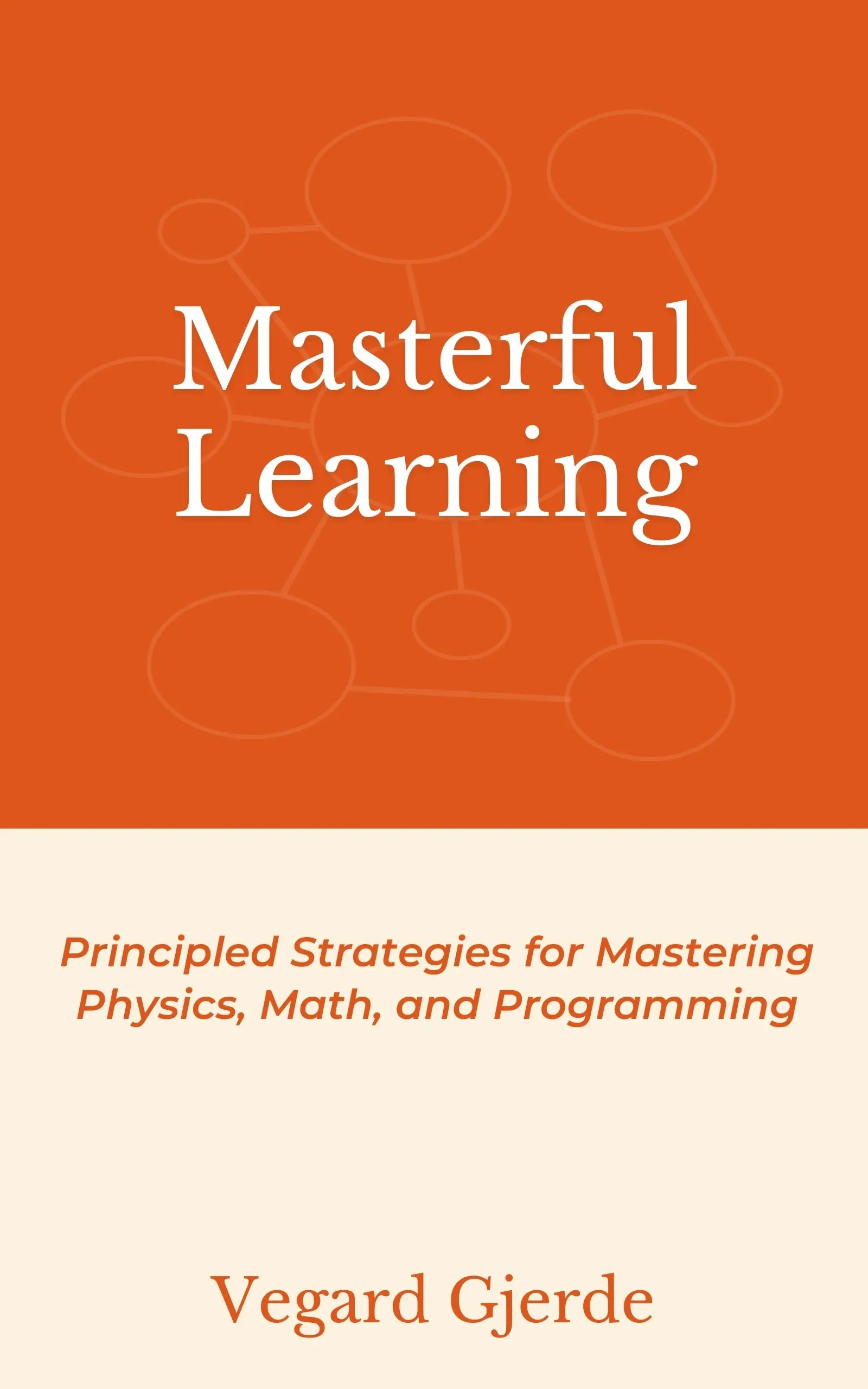
Masterful Learning
The book behind these guides: a study system for physics, math, & programming built on retrieval, connection, explanation, and problem solving.
Ready to apply this strategy?
Unisium turns these evidence-based techniques into guided study sessions for math and physics. Places are limited during early access. Check current availability to start a trial; joining the mailing list is optional.
See plans and availability Read More GuidesAlready have access? Sign in