Pomodoro Technique: Focus Tool, Not a Learning Strategy
Is the Pomodoro Technique effective for learning physics and math? It’s a focus container, not a learning strategy: it helps you start and stay engaged, but it doesn’t create understanding by itself. Use 25/5 to overcome inertia, then extend to longer blocks for deep problem solving, and ignore the timer when you’re mid-derivation—the Unisium Study System treats Pomodoro as a starter motor, not a boss.
The Pomodoro Technique is a productivity tool, not a learning strategy. It manages your attention, not your cognition. While it doesn’t directly help you encode information like elaborative encoding or retrieval practice, it creates the container in which those strategies can happen.
In Unisium, we treat Pomodoro as a “starter motor.” Use it to get moving, but don’t let the timer interrupt a breakthrough.
On this page: Why It Works · How To Adapt It · Guardrails · Common Mistakes · Start Now · FAQ
Why It Works
Pomodoro works because it lowers the barrier to entry. Facing a 4-hour physics problem set is daunting. Facing 25 minutes of work is manageable.
Reduces Friction: By committing to a short, finite block of time, you bypass the “pain” of starting. It lowers the perceived commitment, so starting feels cheap.
If you repeatedly fail to start, make the start automatic (Study Habits) and treat the first minutes as a known hurdle (Initial Struggle).
Enforces Breaks: Regular breaks reduce attentional fatigue and make re-entry easier, aligning with spacing on a micro-scale.
Skeptical take: “The timer stresses me out.” If the ticking clock causes anxiety, hide it. The goal is focused work, not a race against time.
Want the complete framework behind this guide? Read Masterful Learning.
How to Adapt It for Deep Work
The standard 25/5 split is often too fragmented for STEM subjects. Here is how to modify it for deep work:
Step 1: The “Starter” Pomodoro
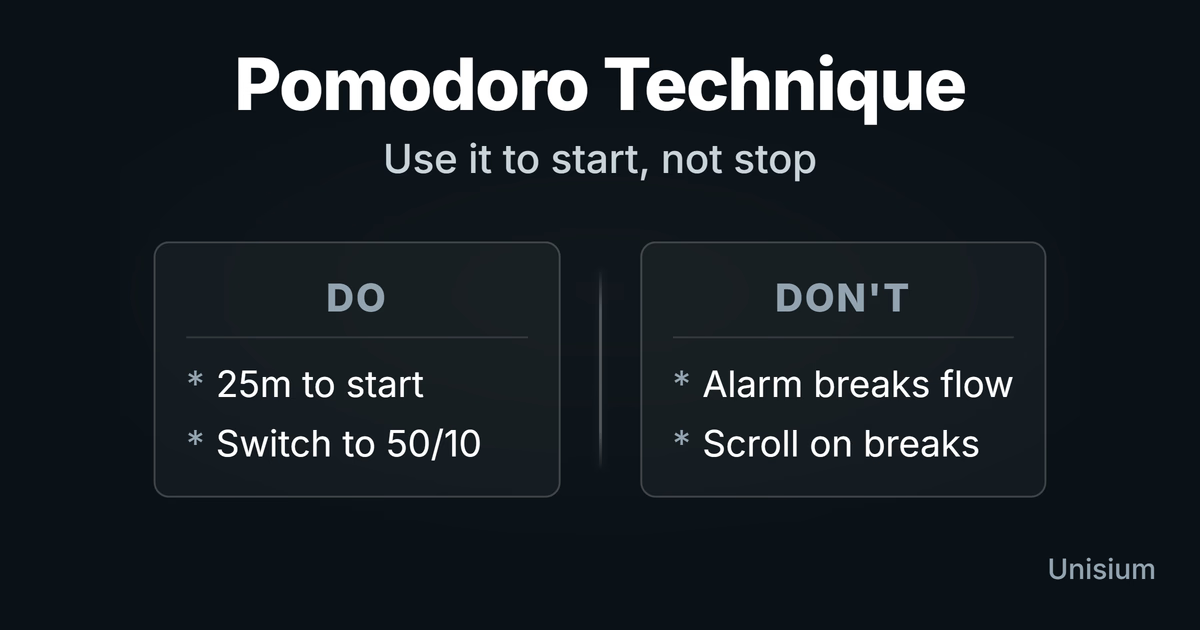
Use a standard 25-minute block to start your day. This helps you win the Initial Struggle - the predictable resistance you feel in the first few minutes of any hard task.
Step 2: The “Deep Work” Block
Once you are engaged, switch to longer intervals. Try 50/10 (50 minutes work, 10 minutes break). This aligns with the Flow Protocol, giving you enough time to load a complex mental model and solve multi-step problems without interruption.
Step 3: The “Flow” Override
If the timer goes off and you are in the middle of a complex derivation or have just grasped a difficult concept, ignore the timer. Finish your thought. Breaking flow at a critical moment can cost you several minutes of re-loading context later.
Guardrails: When NOT to Use It
Pomodoro is a tool, not a religion. Do not use it when it conflicts with the nature of the task.
1. Don’t Cut Proofs Mid-Stream
If you are holding a complex derivation in working memory, a timer alarm is destructive. It forces you to drop the mental model, wiping out the momentum you just built.
2. Don’t Replace Strategy with Timing
Pomodoro manages when you work, not how. It is not a substitute for active strategies like elaborative encoding or retrieval practice. You can Pomodoro your way through passive reading and learn nothing.
If you’re busy but not improving, you’re missing the decision rules—use Effective Study Mindsets.
3. Don’t Use Breaks for Dopamine
If you spend your 5-minute break scrolling social media, you are not resting; you are switching contexts. This increases fatigue rather than reducing it.
Common Mistakes (and the Fix)
| Mistake | Fix |
|---|---|
| Stopping in the Zone | If you are in flow, keep going. Take a break when you naturally pause or finish a problem. |
| Working Through Breaks | Breaks are for recovery. Stand up, walk away, look at a distance. Do not check social media. |
| Too Short for Problems | If a problem takes 40 minutes, a 25-minute timer breaks your concentration. Use 50-minute blocks. |
| Checking the Timer | Hide the timer. Let the alarm tell you when to stop. Checking it breaks focus. |
Start Now (5 minutes)
Procrastinating on a problem set?
- Set a timer for 25 minutes.
- Pick one problem to start.
- Commit to working only until the timer rings.
- Start. (You will likely keep going after the timer rings).
FAQ
What should I do during the break?
Disengage your eyes and brain. Look out a window, stretch, or get water. Avoid high-dopamine inputs like scrolling; it keeps your attention system ‘on’ and makes re-entry harder.
If sound is part of your routine, keep it low-interference—how to use music without interference.
Is this better than “flow”?
Flow is the goal; Pomodoro is the on-ramp. Use Pomodoro to get into flow, but don’t let it pull you out of it.
Can I use this for exams?
You can use the pacing aspect. In an exam, check your time every 15-20 minutes to ensure you aren’t stuck on one question. But don’t take 5-minute breaks during a test!
How This Fits in Unisium
Pomodoro is a support tool for the primary strategies found in Masterful Learning.
- Support Flow: Use the timer to overcome resistance, then extend blocks (50m) to allow for the deep thinking required in problem solving. For more on entering deep focus, see From Resistance to Flow.
- Build Habits: A daily Pomodoro cue can become the anchor for your study habit loop—same time, same place, same first action.
- Enable Spacing: Use the breaks to step away. When you return, you get a mini-reboot of your attention, which supports spacing effects.
- Protect Retrieval: Use the work blocks to do closed-book retrieval practice. The timer keeps you honest and focused.
Ready to try it? Check access and join the Unisium waitlist or explore the full framework in Masterful Learning.
Next Steps
- Can’t start? See Study Habits.
- Start but drift? See From Resistance to Flow.
- Working but not improving? See Effective Study Mindsets.
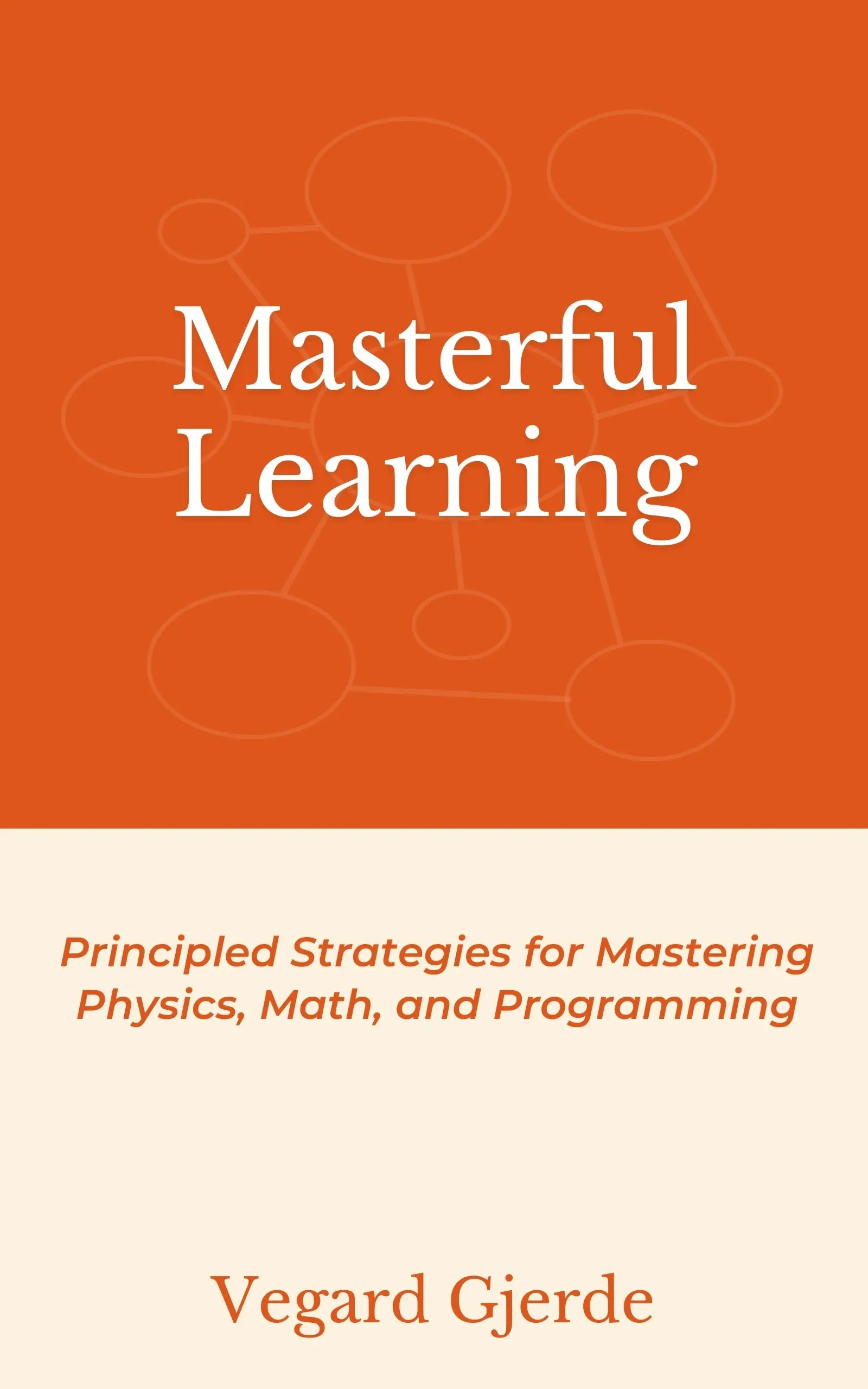
Masterful Learning
The book behind these guides: a study system for physics, math, & programming built on retrieval, connection, explanation, and problem solving.
Ready to apply this strategy?
Unisium turns these evidence-based techniques into guided study sessions for math and physics. Places are limited during early access. Check current availability to start a trial; joining the mailing list is optional.
See plans and availability Read More GuidesAlready have access? Sign in