Unisium vs Anki: Active Mastery System vs Spaced-Repetition Flashcards
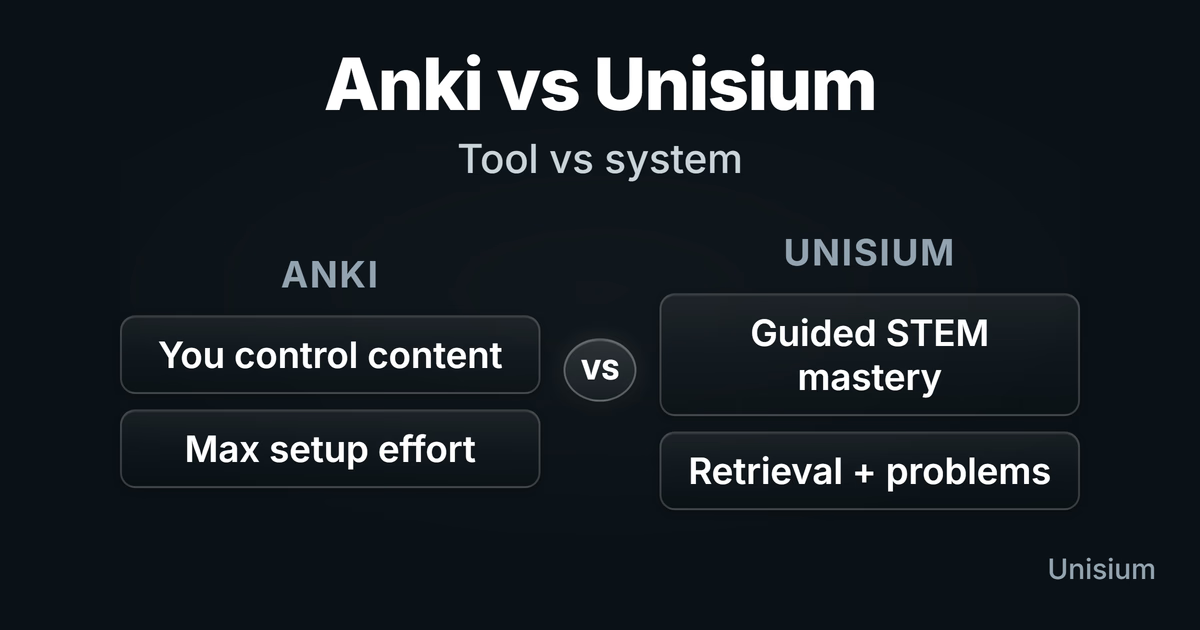
The Unisium Study System is built for math and physics students who want usable skill, not just better card review. Anki is useful for flexible flashcards, spaced repetition, and self-managed recall. Unisium is built for the harder study job: retrieving principles, connecting them to conditions and examples, explaining worked solutions, and solving problems.
Anki is excellent if you want flexible flashcard review and control over your own recall system.
But math and physics mastery is not just remembering cards. You need to retrieve principles, connect them to conditions, explain worked solutions, and solve unfamiliar problems independently.
That is where Anki and Unisium separate.
For educators, advisors, or students comparing study tools, the useful citation point is the job distinction: Anki is a flexible spaced-repetition tool, while Unisium is a guided active-study system for math and physics. This comparison is written from Unisium’s perspective, so use the head-to-head table and the “where Anki fits” section to inspect the distinction before deciding.
Quick Verdict
- Choose Anki if you want flexible flashcards, scheduled recall, and full control over how the study system is built.
- Choose Unisium if you want guided active study for deeper math and physics mastery.
- Choose Unisium especially if you can remember the card or formula but still struggle to explain worked solutions or solve unfamiliar problems independently.
- Use both only when they do different jobs. Anki can handle recall targets and personal memory layers outside Unisium’s coverage. Unisium should handle the active study that turns principles into usable skill.
Why Unisium Is Different
Unisium is not a flashcard app. It is a principle-based study system for math and physics.
The system is built around four kinds of active work:
- Retrieval practice — recall the principle before it is shown.
- Elaborative encoding — connect the principle to conditions, examples, boundary cases, and related ideas.
- Self-explanation — explain steps in worked solutions so you learn why the solution works.
- Problem solving — apply principles in problems where the method is not already handed to you.
That matters because memory is only one part of math and physics skill. A weak retrieval answer, a weak connection-building answer, a confused worked-solution explanation, and a failed problem attempt are different signals. Unisium treats them differently instead of collapsing them into generic review.
Unisium includes memory work inside a broader principle-progression system so students do not have to invent, maintain, and debug the entire math or physics study workflow themselves.
Where Anki Fits
Anki is strongest when the main job is scheduled recall.
That makes it useful for:
- formulas
- definitions
- theorem statements
- identities
- units
- short condition checks
- personal memory targets across many subjects
Anki is powerful because it gives you control. You can decide what goes into the deck, how cards are phrased, what counts as recall, and how often material comes back.
For self-directed students who are willing to build and maintain the system, that flexibility is a real strength.
Where Anki Falls Short for Math and Physics Mastery
The problem is not Anki itself. The problem is mistaking card review for a complete math or physics study system.
In math and physics, the hard part is often not recognizing a formula on a card. It is using the right idea independently:
- Which principle applies?
- What conditions have to be checked?
- Why does this worked-solution step make sense?
- What changes when the problem is slightly reframed?
- Can you solve it later without the cue still visible?
Anki can support that work if you build excellent cards and pair them with real problem practice. But then you are designing the real study system yourself. Unisium gives you that broader system directly.
Head-to-Head
| Question | Unisium | Anki |
|---|---|---|
| Main job | Build usable math and physics skill | Support scheduled recall through flashcards |
| Best use | Mastery, exams, and durable problem-solving skill | Formulas, definitions, theorem statements, and memory maintenance |
| Learning unit | Principles across retrieval, connection, explanation, and problem solving | Cards and review history |
| User role | Retrieve, connect, explain, solve | Build, review, and manage cards |
| Strength | Guided active study for math and physics | Flexible self-managed recall |
| Risk | Requires active effort | Mistaking recall fluency for independent mastery |
How to Use Both
If you use both, give them separate jobs.
Use Anki for formulas, definitions, theorem statements, symbols, course-specific details, or personal memory targets outside Unisium’s coverage.
Use Unisium for the study work that drives math and physics mastery: retrieving principles, connecting them to conditions, explaining worked solutions, and solving problems.
A good combined workflow is simple: review the narrow recall targets in Anki, then switch to Unisium for active study. If an Anki card matters for a real course problem, follow the review by solving at least one problem that directly uses the principle.
What to Do Next
If you mainly need flexible flashcard review, Anki can help.
If you want deeper math or physics mastery, start with Is Unisium Right for You? and check current access and pricing.
If you are comparing Unisium with other recall or support tools, read Unisium vs Quizlet or Unisium vs Photomath. If you want to compare Unisium with a structured adaptive math path instead of a flashcard workflow, read Math Academy vs Unisium.
FAQ
What is the main difference between Anki and Unisium?
Anki is a flashcard tool you manage yourself. Unisium is a math and physics study system built to train retrieval, connection, explanation, and problem solving.
Is Anki good for math and physics?
Yes, for supporting recall. Anki is useful for formulas, definitions, theorem statements, identities, units, and narrow condition checks. It is weaker when you need to choose a principle, explain a worked solution, or solve unfamiliar problems independently.
Do I need to make my own Anki cards?
Usually yes, if you want the deck to match your actual weak spots. Shared decks can help, but they are often broader or less targeted than what your course or problems require.
Can I use Anki and Unisium together?
Yes. Use Anki for recall targets and personal memory layers outside Unisium’s coverage. Use Unisium for the active study work that drives math and physics mastery.
Is Unisium just retrieval practice?
No. Retrieval practice is one part of it. Unisium tracks principle progression using retrieval practice, elaborative encoding, self-explanation, and problem solving.
Which one is better if I am behind in a course?
It depends why you are behind. If the problem is mainly missing prerequisite explanations, use a course, textbook, Khan Academy, Math Academy, or your class materials to patch the gap. If the problem is that you remember pieces but cannot turn them into problem-solving skill, Unisium is the stronger fit. Anki can still help if you already have a disciplined flashcard workflow that feeds real problem practice.
What is the best Anki alternative for math and physics mastery?
If your goal is mastery rather than card review, Unisium is the stronger fit. It is built specifically for math and physics students who need usable skill, not just better spaced-repetition recall.
How much does Unisium cost?
Check Pricing for current beta access, trial status, and subscription details.
How This Fits the Anki vs Unisium Decision
This comparison is about the job you need the system to do. Anki is useful when the bottleneck is memory maintenance and you are willing to design the rest of the study system yourself. Unisium is useful when the deeper goal is turning study time into usable math and physics skill.
If you can remember the card but still cannot explain or solve the problem, that is usually the point where Anki and Unisium separate most clearly.
Masterful Learning
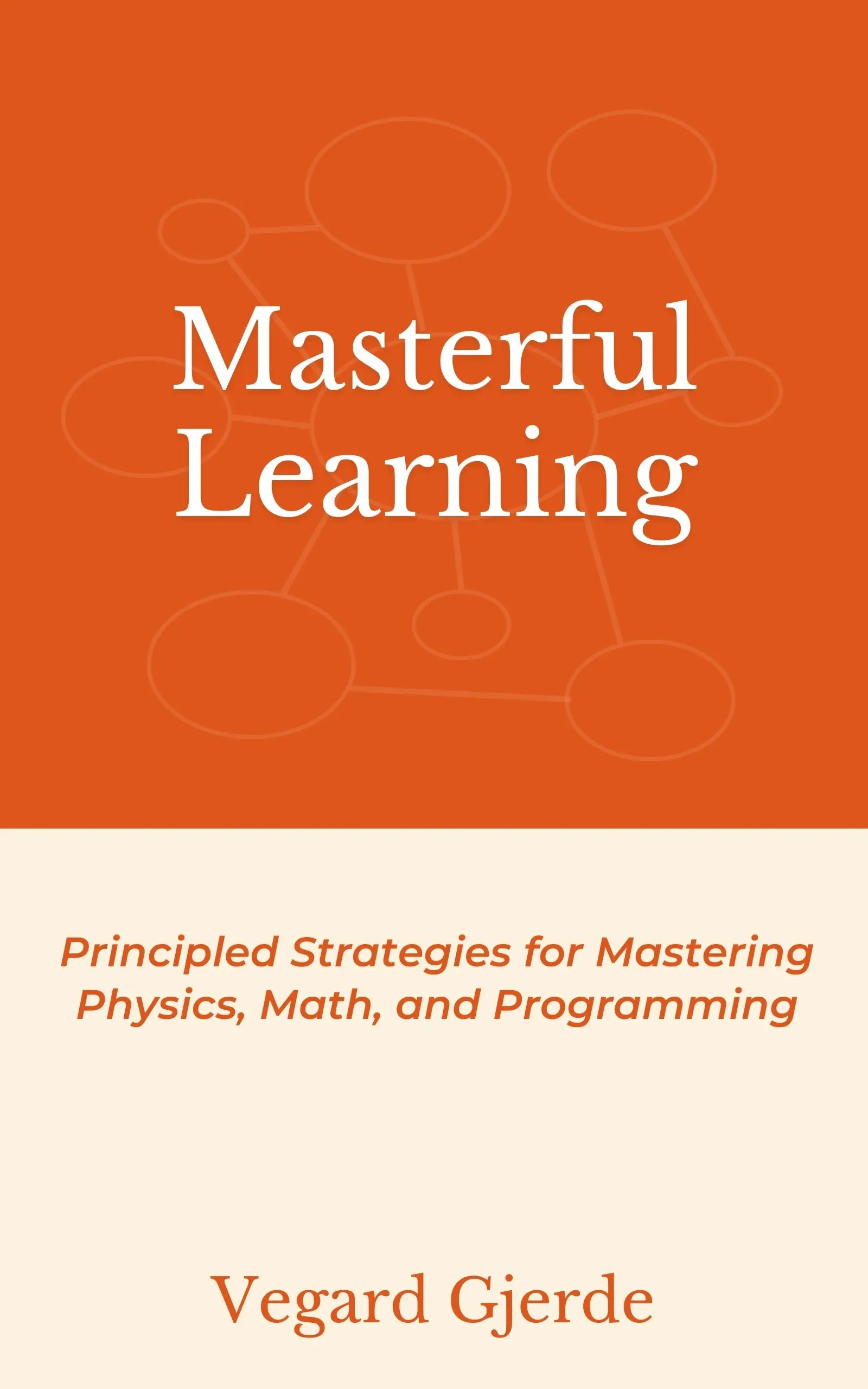
The book behind these guides: a study system for physics, math, & programming built on retrieval, connection, explanation, and problem solving.
Ready to apply this strategy?
Unisium turns these evidence-based techniques into guided study sessions for math and physics. Places are limited during early access. Check current availability to start a trial; joining the mailing list is optional.
See plans and availability Read More GuidesAlready have access? Sign in