Brilliant vs Unisium: Interactive STEM Learning vs Active Mastery System
Brilliant is useful when you want guided, interactive STEM learning that makes ideas feel intuitive, while the Unisium Study System is built for active mastery in math and physics. Use Brilliant when you need guided intuition, step-by-step lessons, or first contact with a concept. Use Unisium when you want to retrieve principles, connect them to conditions, explain worked solutions, and solve future problems yourself.
Brilliant is strong at making ideas feel approachable. Its interactive lessons, guided problem solving, and personalized practice can help new concepts click quickly.
But intuition is not the same as mastery. In math and physics, you eventually need to produce the next move yourself: retrieve the principle, recognize the conditions, explain why a worked step makes sense, and solve problems without the support still visible.
That is where Brilliant and Unisium separate.
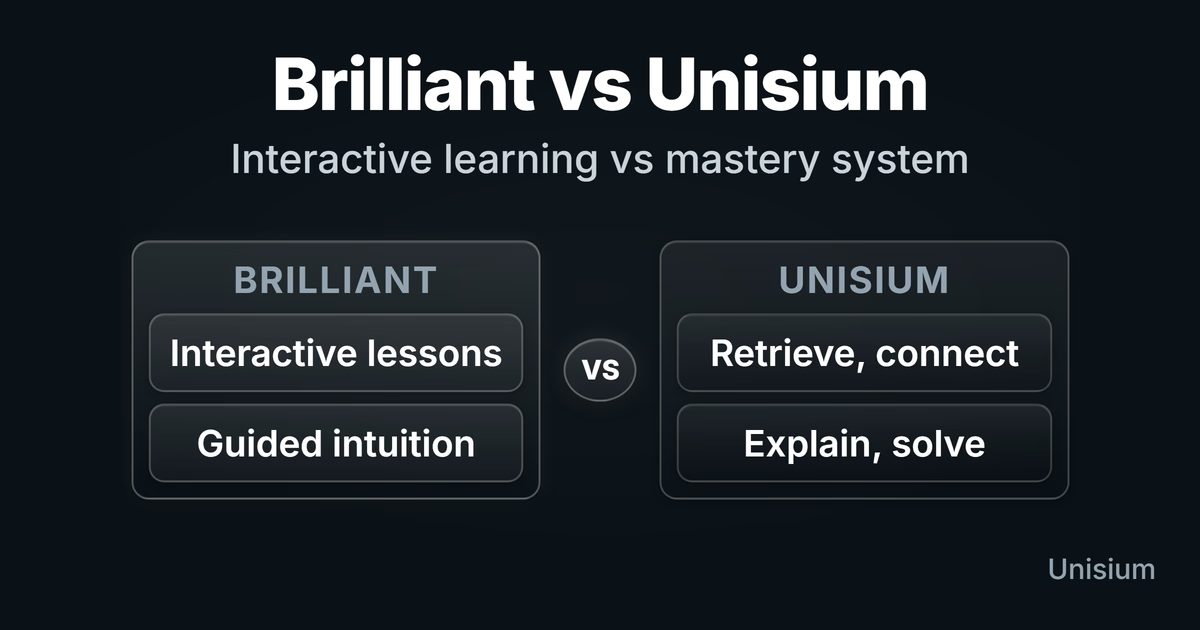
Quick Verdict
- Choose Brilliant if you want guided, interactive STEM lessons that make new ideas feel intuitive.
- Choose Unisium if you want guided active study for deeper math and physics mastery.
- Choose Unisium especially if you can follow guided lessons but still struggle to explain worked solutions or solve unfamiliar problems independently.
- Use both only when they do different jobs. Brilliant can help with guided intuition and first contact. Unisium should be the system that turns that understanding into usable skill.
Why Unisium Is Different
Unisium is not an interactive lesson library, textbook replacement, or homework-help site. It is a principle-based study system for math and physics.
The system is built around four kinds of active work:
- Retrieval practice — recall the principle before it is shown.
- Elaborative encoding — connect the principle to conditions, examples, boundary cases, and related ideas.
- Self-explanation — explain steps in worked solutions so you learn why the solution works.
- Problem solving — apply principles in problems where the method is not already handed to you.
Unisium was built by a physicist and learning-science researcher with university physics teaching experience to target a specific gap: students can often follow instruction, but still cannot reliably produce the next move themselves.
That is the gap Unisium targets.
Where Brilliant Fits
Brilliant is strongest when you want guided, interactive learning:
- a first pass on a concept
- intuitive introductions
- step-by-step interactive lessons
- personalized practice around your progress
- broad STEM exploration across math, computer science, data, and science
That makes Brilliant useful when a topic still feels foggy and you want a more interactive way to make the structure visible.
Brilliant officially positions itself around learning by doing, guided lessons, and interactive problem solving that helps concepts click. That makes it a strong choice for guided intuition and early clarity.
The mistake is staying there after guided intuition is no longer the bottleneck.
Where Brilliant Falls Short for Mastery
Brilliant can support exam prep, especially for intuition and first contact with ideas. The limitation is that guided interactive lessons do not automatically train independent problem solving when the support disappears.
For math and physics mastery, the hard part is often not seeing one more guided explanation. It is producing the next move yourself:
- Which principle applies?
- What conditions have to be checked?
- Why does this worked-solution step make sense?
- What changes when the problem is slightly reframed?
- Can you solve it later without the guided path still visible?
Brilliant can support that work, especially if you add your own unguided practice afterward. But it does not make independent retrieval, worked-solution explanation, and problem solving the center of the study system. Unisium does.
Head-to-Head
| Question | Brilliant | Unisium |
|---|---|---|
| Main job | Build intuition through interactive STEM lessons | Build usable math and physics skill |
| Best use | First contact, guided intuition, and interactive introductions | Mastery, exams, and durable problem-solving skill |
| Learning unit | Interactive lessons and guided practice | Principles across retrieval, connection, explanation, and problem solving |
| User role | Follow, respond, explore | Retrieve, connect, explain, solve |
| Strength | Low-friction interactive learning | Guided active study for math and physics |
| Risk | Mistaking guided fluency for independent skill | Requires active effort |
How to Use Both
If you use both, give them separate jobs.
Use Brilliant when you need first clarity, an interactive explanation, or a guided introduction to a concept that still feels unclear.
Use Unisium when you want that concept to become usable later without the guided path still visible.
A good combined workflow is simple: use Brilliant to make the idea click, then switch to Unisium for active study. Retrieve the principle, connect it to conditions, explain worked-solution steps, and solve variants until the idea becomes usable without the lesson visible.
What to Do Next
If you mainly need interactive intuition or a guided introduction, Brilliant can help immediately.
If you want deeper math or physics mastery, start with Is Unisium Right for You? and check current access and pricing.
If you are comparing Unisium with other study systems, read Unisium vs Quizlet or Khan Academy vs Unisium.
FAQ
What is the main difference between Brilliant and Unisium?
Brilliant is mainly an interactive STEM learning platform with guided lessons and practice. Unisium is a math and physics study system built to train retrieval, connection, explanation, and problem solving.
Is Brilliant good for math and physics?
Yes, especially for guided intuition, first contact with ideas, and interactive lessons that make concepts feel more approachable. It is weaker when your goal is independent mastery under less support.
Is Brilliant enough for college math and physics exams?
Brilliant can support exam prep, especially for intuition and clarity. It is usually not enough by itself if your goal is mastery, because guided interactive lessons do not automatically build independent problem-solving skill when the support disappears.
Can I use Brilliant and Unisium together?
Yes, if you assign roles. Use Brilliant for guided intuition and first contact. Use Unisium for retention, transfer, and independent problem solving. The waste happens when you use both for the same job.
What is the difference between Brilliant Free and Premium?
Brilliant’s free and paid access levels differ substantially. Brilliant Premium unlocks broader access across courses and practice, but access details can change, so check Brilliant directly for current pricing and plan limits.
What is the best Brilliant alternative for college math and physics mastery?
If you want another tool for guided intuition, Brilliant may already be the right fit. If you want a system for active mastery, Unisium is the stronger fit for math and physics because it trains retrieval, connection-building, worked-solution explanation, and problem solving.
How much does Unisium cost?
Check Pricing for current beta access, trial status, and subscription details.
How This Fits in Unisium
This comparison is about the job you need the system to do. Brilliant is useful when the bottleneck is guided intuition: making a new idea click through interactive lessons and practice. Unisium is useful when the deeper goal is turning study time into usable math and physics skill.
If you can follow the guided lesson but still cannot produce the next move yourself later, that is usually the point where Brilliant and Unisium separate most clearly.
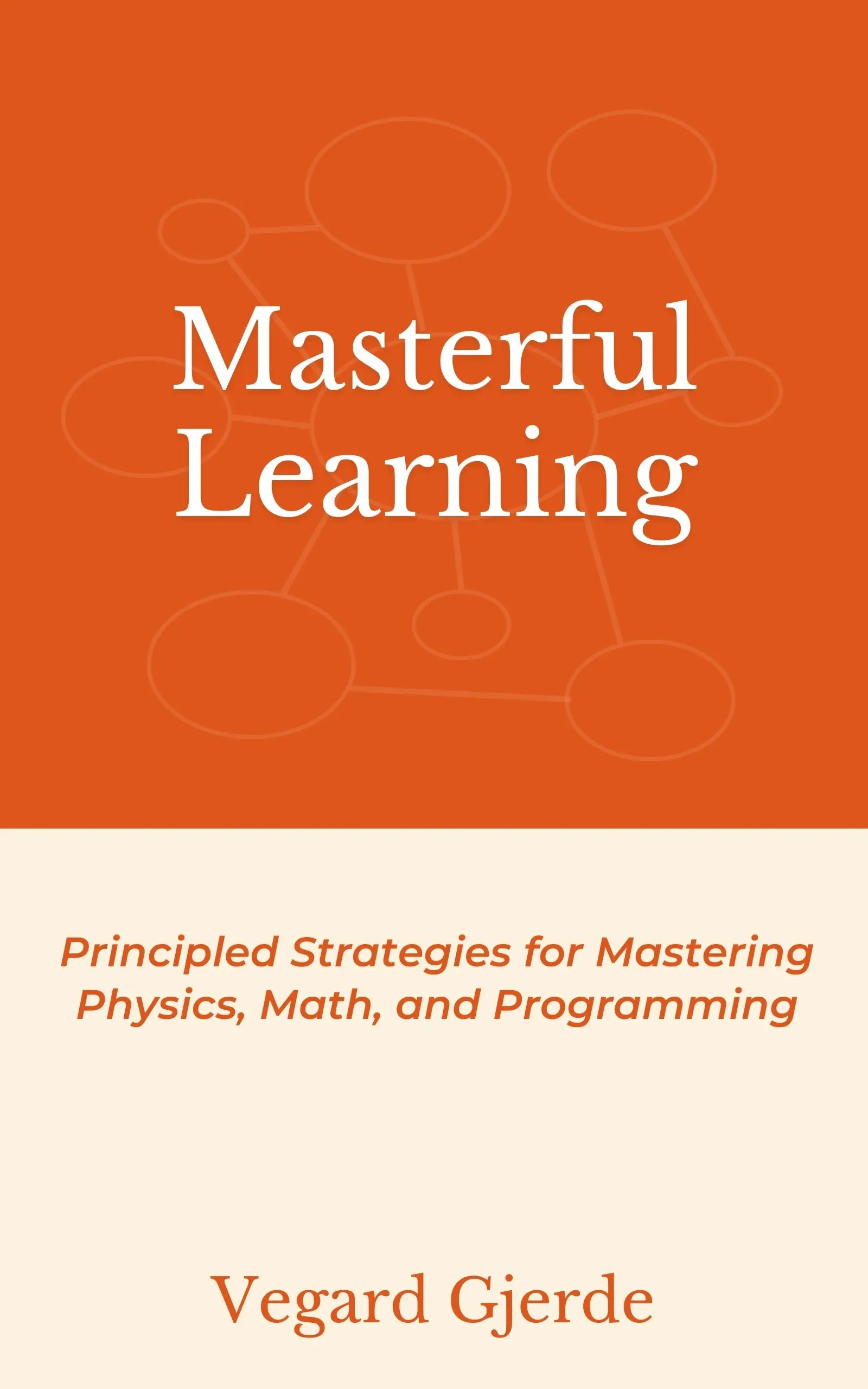
Masterful Learning
The book behind these guides: a study system for physics, math, & programming built on retrieval, connection, explanation, and problem solving.
Ready to apply this strategy?
Unisium turns these evidence-based techniques into guided study sessions for math and physics. Places are limited during early access. Check current availability to start a trial; joining the mailing list is optional.
See plans and availability Read More GuidesAlready have access? Sign in